British Casinos Not on GamStop in 2026: The Practical UK Guide
 Available in GB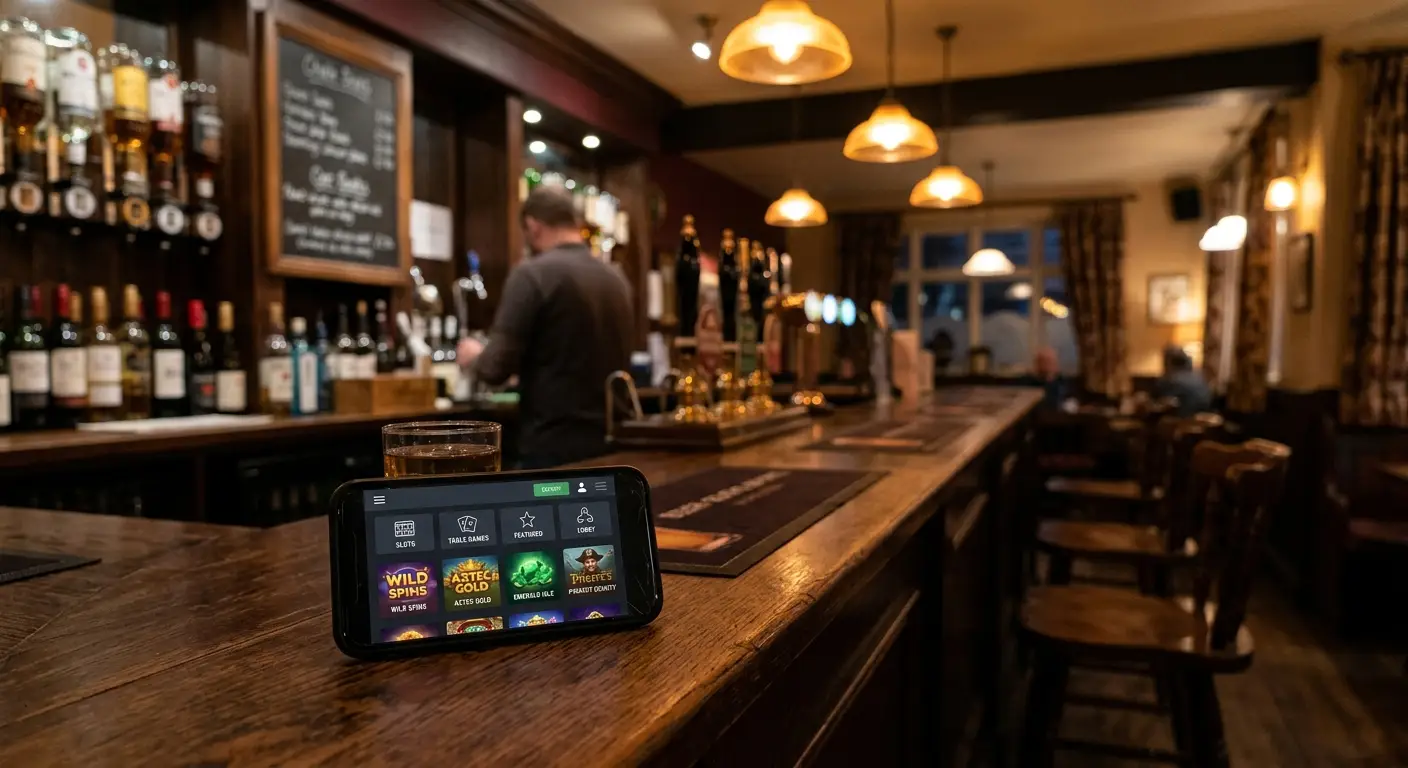
The phrase “British casinos not on GamStop” is a marketing shortcut, and worth unpacking before anything else on this page. It describes online gambling sites that accept UK players and take pounds sterling, but do not hold a UK Gambling Commission licence and are therefore not plugged into GamStop, the national self-exclusion register. Every UKGC-licensed operator has been legally required to check GamStop before opening an account since 2020. Sites that skip that check are, by definition, licensed somewhere else — CuraГ§ao, Malta, Gibraltar, or the Comoros Islands via Anjouan. Which is where the whole “British casino” label gets slippery. There is nothing British about the licence.
What’s genuinely new in 2026 is the pressure gradient. The Gambling Commission spent the last eighteen months tightening the domestic ring — between April 2025 and mid-2026, the UK Gambling Commission rewrote the operating conditions for every online casino in the country. Stake caps, deposit-based checks, a statutory levy, a Remote Gaming Duty hike, and a ban on cross-vertical bonuses have all landed in quick succession. Some UK players welcomed the changes. Others noticed their bonuses shrinking and their slot spins capped, and started reading footer copy on sites they hadn’t visited before.
This guide walks through what “not on GamStop” actually buys and costs in 2026, which offshore operators UK players use most often, how they compare on bonuses and payout speed, and where the marketing ends and the fine print begins. No airbrushing. Casinos are not charities, and every “free spin” is priced into the wagering somewhere.
Table of Contents
- What “British casinos not on GamStop” Actually Means in 2026
- The 2026 UK Regulatory Picture, Without the Marketing Gloss
- Top 8 British Online Casinos Not on GamStop in 2026 — The Shortlist
- British Non-GamStop Casinos at a Glance — Comparison Table
- How We Ranked Them: Methodology, Not Marketing
- Licensing Outside the UKGC: What a Curaçao, MGA, or Anjouan Seal Actually Promises
- Bonuses at British Non-GamStop Casinos — The Fine Print Operators Skip
- Games at British Non-GamStop Casinos
- Payments and Payout Speed in Real Terms
- Mobile Play and Casino Apps
- New British Casinos Not on GamStop in 2026
- Responsible Gambling When There Is No GamStop Backstop
- Final Read
What “British casinos not on GamStop” Actually Means in 2026
GamStop is a national self-exclusion scheme. You register once, choose a period between six months and five years, and every UKGC-licensed site is legally required to shut you out for the full term. That is the whole point of it. The entire purpose of GamStop is to provide a binding commitment device for individuals who feel they need a break from online gambling. If it were possible to simply ring up and cancel your exclusion on a whim, the scheme would be ineffective.
The register is jurisdictional. GamStop’s power ends at the UKGC’s border, and there are hundreds of gambling sites licensed elsewhere that take UK customers. Those are the “casinos not on GamStop” — sometimes tagged “non-GamStop UK casinos”, sometimes marketed as “British casino sites not on GamStop”, though what they really share is an offshore licence and a footer that hides the country of registration in small print. A non-GamStop casino is defined by the licence in its footer, not by what it shows on the front page.
Are British casinos not on GamStop legal in the UK?
For the player, yes. Under the Gambling Act 2005, it is an offence to provide facilities for remote gambling to UK customers without a UKGC licence. The operator commits that offence, not you. There is no provision in the Act that makes it illegal for a British adult to place a bet at an offshore casino. The trade is regulatory: you keep the freedom, you lose the UKGC’s dispute-resolution backstop and its enforced player-protection standards.
The scale is not niche. The illegal and offshore segment of UK staking sits near £16.6 billion in 2025 and is forecast above £33 billion by 2028 — close to one pound in five of all online stakes. That number is the market reacting to a decade of regulatory tightening, not marketing invention. And it explains why every new UKGC rule is met, within days, by a new offshore site chasing the traffic.
The 2026 UK Regulatory Picture, Without the Marketing Gloss
The context matters because it changes what a UK-licensed site can even offer. Any comparison that skips this half will oversell the offshore option or undersell the domestic one. Fair reading needs both.
Online slot stake limit, players aged 25 and over: ВЈ5 per spin, from 9 April 2025; Online slot stake limit, players aged 18 to 24: ВЈ2 per spin, from 21 May 2025. Those are per-spin caps at every UKGC-licensed casino. Offshore sites do not enforce them; several openly market slot bets of up to ВЈ500 per spin as a competitive feature. That is the sharpest single difference for a high-variance player.
Financial checks changed too. Phase one, from August 2024, assessed customers at a net loss of ВЈ500 or more in a rolling month. Phase two, from February 2025, lowered the trigger to a net loss of ВЈ150 or more in a rolling month. The Commission’s own figures suggest fewer than 3% of active accounts would ever trigger a check, and 97% of those checks would run in the background without the customer doing anything, but the perception is stickier than the statistic. Once players believe every deposit could invite a lookup, some go looking for sites that never lookup at all.
Remote Gaming Duty rose from 21% to 40% of GGY on 1 April 2026. Nearly double, on the operator side. UK-licensed casinos have to eat that cost, and margins get squeezed further by stake limits and the statutory levy. Bonuses shrink, VIP schemes shrink, comp points shrink. The maths of running a UKGC casino changed overnight.
January 2026 added the mixed-product bonus ban. One of the headline changes introduced this year is a ban on mixed-product bonuses, in which operators can no longer tie offers across different wagering verticals (for example, linking sports bets to casino bonuses). The offshore market never had that constraint and now advertises combined sport-plus-casino welcome packages as a selling point.
Add it up and the picture is straightforward: the UKGC market has become genuinely safer and considerably duller, and the offshore market has taken the overspill. Neither side gets a monopoly on truth. You pay somewhere — either in caps and checks, or in dispute-resolution risk and lighter regulator oversight.
Can I cancel my GamStop registration to play at a UK-licensed site again?
Not during the exclusion window. There is no shortcut, no loophole, no customer service workaround, and no legal mechanism that will allow you to end your GamStop self-exclusion before the full duration has elapsed. Once the period ends, removal is not automatic: you have to call the helpline, complete a 24-hour cooling-off, then request the block to be lifted. That process is deliberate. It is meant to be hard.
Top 8 British Online Casinos Not on GamStop in 2026 — The Shortlist
The eight sites below are the ones UK affiliates and player forums cited most often through the first half of 2026. All accept UK players, all take GBP or crypto, none participate in GamStop, and all publish a verifiable licence. That is the entry bar; the ranking that follows is about what each does best. Read the trade-offs, not the star ratings.
1. MyStake — Biggest Catalogue, Broadest Use Case
MyStake takes the crown as the best overall non-GamStop casino for UK free spins players in 2026 for reasons that come down to breadth. The library reportedly runs to over 4,000 games — the largest library of any casino not on GamStop in our entire review, and the site pairs that with a fully integrated sportsbook and an esports book that comfortably rivals specialist operators. The welcome package pairs a 150% deposit match with 200 free spins on the casino side, alongside a separate sports welcome for players who want both.
Two practical notes. First, that catalogue includes Nolimit City, Hacksaw Gaming, and Red Tiger releases with feature-buy mechanics still enabled — features removed from every UKGC-licensed lobby. Second, MyStake’s wagering on the casino welcome sits at the industry-typical range for offshore sites; the number that matters is not the match percentage but the playthrough multiplier and the max-bet-during-wagering rule. Both are documented in the site’s T&Cs, not the promotional banner.
Best fit: players who want everything under one roof and are comfortable running a bankroll spread across slots, live tables, and sports.
2. Goldenbet — The “UK-first” Layout of the Offshore Market
Goldenbet earns its place by feeling familiar. Of everything here it feels closest to a familiar British bookie — racing and football front and centre, with rugby a genuine part of the board rather than a filler tab. Licensed in CuraГ§ao and running since 2019, it accepts UK customers in pounds and isn’t on GamStop. The welcome runs to 300% up to ВЈ1,500 3-deposit welcome package, from a ВЈ20 minimum deposit spread across three deposits, which is the format most UK players are used to seeing at domestic sportsbook-plus-casino sites.
The casino side is broad rather than deep. Live floors carry both Evolution and Pragmatic Live tables, slots span the volume suppliers plus specialists, and payments cover cards, wallets, and crypto without much fuss. Withdrawal speed is competitive rather than category-leading — cards clear in the standard 1–3 working days, crypto is same-day. The site’s positioning against the field is that it does the boring things well.
Best fit: UK punters used to a British bookie layout who want a familiar interface without UKGC restrictions on stake sizes or bonuses.
3. DonBet — Crypto Payouts and an Evolution-Heavy Live Floor
Powered by Evolution Gaming — the undisputed leader in live dealer software — DonBet’s live casino is a cut above what most non-gamstop casinos offer, and its comprehensive sportsbook makes it one of the most complete gambling sites not on GamStop for British players. DonBet has built its position on crypto rails and a live-table catalogue that competes with mid-tier UKGC operators. Deposits and cashouts through Bitcoin, Litecoin, and USDT typically clear in under an hour once verification is done.
The welcome runs at 500% up to ВЈ2,000 across the first deposits — a much bigger headline number than Goldenbet’s, but the wagering multiplier is correspondingly stiffer. The maths cancels out more than the headline suggests, which is a pattern that repeats across every “big bonus” claim on this page. Read the multiplier, then compute the total wagering required, then decide whether the bonus is actually worth clearing.
Best fit: crypto-active players who prioritise fast payout speed and live dealer variety.
4. Rolletto — Instant Bitcoin, Sports Plus Esports Under One Licence
Six thousand games paired with instant Bitcoin payouts makes Rolletto a notable entry among non GamStop casinos, where crypto speed and breadth of content rarely sit together at this price point. Rolletto’s angle is scope. Rolletto’s sports-plus-esports-plus-virtuals setup under one licence is genuinely unusual — most rivals split those verticals or drop esports entirely. The 4,500-slot library draws from Nolimit City, Hacksaw, and Red Tiger alongside the larger studios, which means the high-variance end of the catalogue is well stocked.
The welcome is a modest 150% + 200 free spins on the casino side, which reads small next to DonBet’s 500% but comes with lighter wagering, so the effective value is closer than the sticker prices suggest. Sports welcome clears at 10x on accumulators — a genuinely player-friendly figure that most bonus comparisons miss because it hides in the sports T&Cs rather than the front-page pitch.
Best fit: UK players who want a single account for slots, live, sports, and esports, without switching between operators.
5. Freshbet — Welcome Value and a Broad Sportsbook
Freshbet takes the No. 6 spot as our best welcome package value. The staged 250% package is the draw, but the sportsbook underneath is broad enough to keep the account useful long after the bonus clears. Freshbet is not the biggest name on this page, but it consistently ranks in the top ten across UK affiliate reviews for the value calculation across the full first-deposit run, rather than a headline-only match.
The casino side reportedly runs at a published average RTP sits at 96%, which places it above the 95.5% figure commonly cited as the category baseline for offshore operators. That’s a small edge, but at scale it matters. Live coverage is Evolution-primary with Pragmatic Live filling the gaps, slot library sits in the 3,000+ range, and withdrawal times run standard for the segment.
Best fit: players who want a solid all-round site with a welcome package that survives close reading.
6. Velobet — Mid-weight Welcome, Lighter Wagering
Velobet occupies the sensible middle ground: a 150% + 70 free spins welcome, moderate wagering, a clean lobby, and a payout process that behaves. Newer than the top four here, Velobet came in through 2025 and consolidated a UK-facing reputation across affiliate reviews for the first half of 2026. The casino floor draws on the usual volume providers plus Hacksaw and Nolimit City for the high-variance titles.
Nothing about Velobet is category-leading. Nothing about it is obviously wrong, either. If you have been burned by an overpromised welcome or a slow-paying operator, a mid-tier site with fewer headline claims is often the more useful account to hold.
Best fit: players who want a straightforward account without chasing the biggest match number.
7. ZizoBet — Crypto-Native, Deepest Live-Table Coverage
ZizoBet built its 2026 profile on two data points: crypto-first cashouts, and live dealer coverage that leads the segment. ZizoBet leads with 247 live tables, ahead of Cosmobet and Goldenbet at 200 each, which is not a number most casino sites bother publishing at all. The welcome sits at the highest welcome bonus percentage — 200% — and the most comprehensive cryptocurrency payment infrastructure of any non-gamstop casino on this list, though the free spin count is on the lower side at around 50.
The trade at ZizoBet is variety over volume: fewer front-loaded spins, more live tables, faster crypto rails. For a player who mostly plays live blackjack or roulette, that trade is a genuine upgrade over a slots-heavy welcome.
Best fit: crypto users who prefer live dealer play and want fast, near-instant withdrawal turnarounds.
8. Wildies — Aggressive New-Site Welcome, Some Rough Edges
Wildies is the newest name on this shortlist, and the welcome package reflects the market entrant playbook: 400% up to ВЈ3,500 plus 150 free spins, spread across the first few deposits. Newer offshore sites almost always front-load their offers heavily, because the customer acquisition cost is priced into that first bonus. The wagering is correspondingly steep.
The casino floor is respectable rather than distinctive: NetEnt, Pragmatic Play, Play’n GO for the volume, plus a smattering of newer studios. Payments cover the standard rails including crypto. Live floor is Evolution-primary. Customer support runs live chat during standard hours, which is worth checking before you deposit anything meaningful — new operators sometimes take longer to reply than established names.
Best fit: players hunting the biggest possible welcome value and willing to accept newer-site risk in exchange.
British Non-GamStop Casinos at a Glance — Comparison Table
The eight sites in one place. Reading across the row is more useful than reading the star ratings.
| Operator | Welcome (Casino Side) | Licence | Min Deposit | Typical Crypto Payout | Distinctive Angle |
|---|---|---|---|---|---|
| MyStake | 150% + 200 FS | Curaçao | £20 | Under 24 hours | Biggest catalogue (~4,000 games) |
| Goldenbet | 300% up to £1,500 (3 dep) | Curaçao | £20 | Same-day | UK-style bookie layout |
| DonBet | 500% up to £2,000 | Curaçao | £20 | Under 1 hour | Evolution-heavy live floor, deepest esports |
| Rolletto | 150% + 200 FS | Curaçao | £20 | Instant BTC | Casino + sports + esports + virtuals in one account |
| Freshbet | 250% (staged) | Curaçao | £25 | 24 hours | Published ~96% average RTP |
| Velobet | 150% + 70 FS | Curaçao | £20 | Same-day | Moderate wagering, clean UX |
| ZizoBet | 200% + 50 FS | Curaçao | £20 | Near-instant | 240+ live tables, crypto-first |
| Wildies | 400% up to £3,500 + 150 FS | Curaçao | £20 | Same-day | Front-loaded new-site welcome |
Note that welcome figures are the current published values as of writing and change often at offshore sites. Confirm on the operator’s own page before depositing. Wagering multipliers vary between 30x and 45x on bonus funds across this list; every welcome deserves ten minutes of T&C reading before the deposit button.
How We Ranked Them: Methodology, Not Marketing
Anyone can list eight casinos. The interesting question is the ranking rule. What follows is the criteria set, in the order they mattered.
Licence Quality and Audit Trail
Every operator on this page publishes a licence number in the footer. That is the minimum bar; the interesting variable is what the licence actually enforces. The National Ordinance on Games of Chance (LOK) came into force on 24 December 2024, the old master license system was abolished on 1 January 2025, orange seals expired permanently on 15 October 2025, and physical presence requirements became mandatory from 1 January 2026. Curaçao licences issued after that reset genuinely mean more than the old sub-licence system did, and every site on this list holds a direct CGA licence rather than a legacy sub-issue.
Bonus Terms That Survive Contact With the T&Cs
The headline match percentage is worthless without the wagering multiplier, the max bet during wagering, the eligible-games list, and the expiry. A 500% bonus at 60x rollover is meaningfully worse than a 150% at 30x, even though the marketing math points the other way. We read the terms, then calculated the effective playthrough required to convert bonus funds into withdrawable balance. Only two sites on this list had bonus terms that comfortably survived that read.
Real Payout Speed vs Advertised Payout Speed
Advertised speed is the operator’s internal processing target; real speed is what the money does. Crypto has the widest gap between advertised and actual — most sites list “up to 24 hours” and clear in 20 minutes. E-wallets sit in the 4-to-24-hour band. Debit cards run 1-3 working days and sometimes get flagged by UK banks entirely, which adds unpredictable delays. We weighted real-world speed over marketing claims.
Catalogue Depth and Provider Mix
Volume matters, but so does the mix. Nolimit City appears at DonBet, Cosmobet, Goldenbet, MyStake and Rolletto — a strong signal for players who prioritise high-volatility mechanics such as xNudge and xBomb. Hacksaw Gaming features at 5 of the 8 reviewed operators, covering cluster-pay and cascading-reel formats. A 4,000-title lobby that skips specialist studios is less useful than a 2,500-title lobby that keeps them.
Responsible Gambling Tooling
None of these sites carries GamStop. What they should carry — and what the better ones do — is a full internal toolkit: deposit limits you set yourself, session timers, cooling-off periods of at least a week, and a self-exclusion function separate from GamStop. Operators that hide these tools in support-chat menus scored down; operators that surface them in the account dashboard scored up. This is not a nice-to-have. Without an outside enforcer, the tooling on-site is the only structural brake between you and a bad session.
Licensing Outside the UKGC: What a Curaçao, MGA, or Anjouan Seal Actually Promises
The footer badge is not decorative. Different regulators enforce different standards, and the gap between them is the single most important structural fact about the offshore market.

Curaçao After LOK — The New Baseline
Curaçao was, for two decades, the fastest and cheapest gaming licence in the world. It was also the least prestigious, because the sub-licence system meant a handful of master holders were technically responsible for thousands of downstream operators most of them had never audited. In December 2024, Curaçao implemented the National Ordinance for Games of Chance (LOK), effectively replacing its outdated licensing system. The newly empowered Curaçao Gaming Control Board (CGCB) has been tasked with enforcing this legislative overhaul, which introduces a centralized licensing framework and mandates significantly higher compliance standards.
The practical consequence for a UK player: a Curaçao licence issued in 2025 or 2026 is a materially better credential than one issued in 2022. Every operator on the shortlist above holds a direct CGCB licence rather than a legacy sub-issue. Stake holds license OGL/2024/1451/0918. Cloudbet holds OGL/2024/328/0599. Those numbers are public and verifiable through the CGCB portal in under two minutes.
MGA and Gibraltar — The Higher Tier
Malta Gaming Authority and Gibraltar Regulatory Authority licences sit above Curaçao in prestige and enforcement rigour. MGA in particular has spent the last few years tightening its own conditions; standards already approximate UKGC levels in several key areas. Sites carrying an MGA licence generally offer stronger dispute resolution, cleaner published RTP data, and better AML frameworks — at the cost of somewhat smaller welcome bonuses, because the compliance overhead eats into promotional budgets.
The shortlist above skews Curaçao because that is where UK-facing offshore casinos have concentrated in 2026. An MGA-licensed non-GamStop site is possible but rarer.
Anjouan and the Crypto Operators
The operators who succeed with Anjouan licenses are those who build their operations with clear eyes about where the license carries weight and where it doesn’t. Anjouan, an autonomous island in the Comoros, has issued its own gaming licence for years, and it has become the go-to for crypto-first operators over the last twelve months. What changed significantly in 2025 was the directional shift from the AOFA itself. Rather than staying static, the authority moved to strengthen its own credibility, most visibly through the July 2025 mandatory B2B certification requirement.
A useful caveat, honestly reported: according to some reports (e.g., 2024 FATF evaluation of the Union of the Comoros), gambling may still be prohibited under the Comorian Penal Code at the union level — which raises doubts about enforceability and long-term recognition of island-level licences from an international banking and payment processor perspective. Anjouan is functionally recognised in most crypto casino contexts, but it is not on the same rigour level as MGA or a modern CGCB direct licence.
What Happens if a Non-GamStop Casino Refuses to Pay Winnings?
The recourse is thin. UKGC-licensed operators are required to route disputes through an approved Alternative Dispute Resolution service and, ultimately, the Financial Ombudsman. That machinery does not exist for offshore casinos. Complaints go to the licensing regulator directly, which is slower and less player-friendly. A UK bank card chargeback is the last practical lever, and it only works within a limited window.
Bonuses at British Non-GamStop Casinos — The Fine Print Operators Skip
Every casino welcome is a discount priced into the wagering. The “gift” language is marketing dress. Nobody hands out free money — the offer is a hook to make you play through a bonus balance that mathematically favours the house on any single spin. Understanding the maths is the entire skill.
Welcome Offers and the Wagering Trade
Match percentage sells the bonus; wagering multiplier decides what it is worth. A 100% match at 30x rollover on the bonus amount means a ВЈ200 bonus needs ВЈ6,000 of eligible play before the balance is withdrawable. A 500% match at 60x rollover on a ВЈ1,000 bonus needs ВЈ60,000 of play. The bigger sticker price is often the worse deal, because playthrough scales with headline size and eligible-games contribution rates further tilt the maths against non-slot play.
Read four numbers on every welcome offer before you deposit: the match percentage, the wagering multiplier, the max bet allowed during wagering, and the expiry period. If any of the four is missing from the summary and buried deep in the T&Cs, the offer is worse than it looks.
Bonus terms decoder
Bonus Wagering Reality Calculator
Turn a headline welcome offer into the actual wagering it asks for. Enter the terms from the casino’s T&Cs to see the credited bonus, qualifying turnover, contribution-adjusted betting volume and the theoretical cost of clearing it.
How the calculator works
The calculator does not predict winnings or recommend a casino. It translates promotional terms into comparable quantities. The RTP-based figure is a long-run mathematical expectation, not a forecast for a session, and it ignores variance, game exclusions, stake-size effects, bonus cancellation rules and the possibility of losing the balance before wagering is completed.
| Output | Formula |
|---|---|
| Credited bonus | min(deposit × match %, maximum bonus) |
| Starting balance | deposit + credited bonus |
| Qualifying wagering | wagering basis × multiplier |
| Betting volume | qualifying wagering ÷ game contribution |
| Theoretical house cost | betting volume × (1 − RTP) |
| Bonus less theoretical cost | credited bonus − theoretical house cost |
The Terms Friction Index is an editorial mechanics score from 0–100 based on wagering multiplier, D+B basis, reduced game contribution, short expiry and a restrictive maximum bet. It is not a safety, licence or casino-quality score.
18+ only. If gambling stops feeling optional, do not use a bonus as a reason to continue. Use the blocking and support options described elsewhere on this site.
Free Spins, No-Deposit Bonuses, and Win Caps
Some new non Gamstop casinos offer a small amount of bonus cash or free spins on signup, no deposit needed… The catch is that maximum withdrawal limits are usually tight, often ВЈ20 to ВЈ50, and wagering requirements tend to be higher than on deposit bonuses. A “free” spin is worth its win cap, not its notional value. Twenty free spins on a slot with a ВЈ20 maximum cash-out cap is a ВЈ20 offer at best, regardless of how the promotional page frames it. Everything above the cap belongs to the casino.
Reload, Cashback, and VIP Programmes
Reload bonuses are typically 25%–50% match offers on subsequent deposits, often on set weekdays. Cashback returns a percentage of net losses over a defined period. VIP programmes bundle both with higher withdrawal ceilings and a personal manager — which is where the “cheap motel with fresh paint” analogy applies. VIP tiers at offshore casinos are structured to keep players active, not to reward them; the manager exists to answer questions and to nudge deposit patterns, not to hand out gifts. Treat any VIP outreach as a sales function.
Bonuses No UKGC Site Can Legally Offer in 2026
Offshore operators can bundle sports and casino welcomes into a single package. UK-licensed sites cannot, since January 2026. Offshore sites can also offer bonus buy features on slots and structure wagering without the ВЈ5 spin cap, both of which UKGC operators lost between 2021 and 2025. If those are the specific bonus mechanics you value, no UK-licensed site can match them; that is the honest statement of the trade.
Games at British Non-GamStop Casinos
The catalogue is where the day-to-day play happens. Broad strokes: slots, live casino, table games, jackpots. The differences from a UKGC site are structural rather than cosmetic.
Slots — Features UKGC Operators No Longer Allow
The slots not on gamstop uk players load at DonBet or Zizobet are the unmodified builds, feature purchase included, exactly as Nolimit City or Hacksaw shipped them. This is the single biggest structural difference for slots. Feature-buy (paying an upfront cost to trigger the bonus round), autoplay, and higher stake ranges are all standard at offshore sites and banned or capped at UKGC-licensed sites. For high-variance play, the offshore build is meaningfully different from the domestic one — same title, different mechanics.
Provider mix at the shortlisted operators covers Pragmatic Play, Play’n GO, NetEnt for volume, Nolimit City and Hacksaw for high-variance mechanics, ELK Studios and Push Gaming for structural innovation, Red Tiger for mid-market. RTP varies by title and provider, not by casino; the operator’s role is to publish which version they’re carrying (some operators licence lower-RTP builds without disclosing it, which is a red flag worth checking).
British Live Casino Coverage
Evolution powers most of the live floors, with Ezugi and Pragmatic Play Live filling the gaps. The real difference from a UK lobby is the limits. Rollino’s high-stakes blackjack accepts hands no UKGC site will touch, and sessions are never interrupted by mandatory reality-check prompts. That last point matters. UKGC operators are required to interrupt session flow with periodic prompts; offshore live tables run without them, for better and worse.
Roulette variants, blackjack side bets, and game-show formats like Crazy Time run across the offshore floors without the stake caps that limit UKGC play. If you spend most sessions on live tables, the difference in table limit ranges is the single most useful thing to check before signing up.
Roulette, Blackjack, and Table Stakes Without the Cap
All five offshore sites have European, French and American roulette in both RNG and live form… On the blackjack side, Atlantic City Blackjack Gold at 99.6% RTP is available at GoldenBet and MyStake, and Betsoft’s RNG tables at DonBet show a house edge at the low end of the category. Table stakes at offshore casinos are consistently higher on the top end than at UKGC sites, which is where the “high-roller” positioning of several offshore brands comes from.
British-themed Slots and Jackpots
British-themed slots — pub scenes, London landmarks, Union Jack visuals — appear across most offshore lobbies as a design category rather than a licensed IP. They play like any other themed slot. Progressive jackpot pools are typically shared across sites via the game provider network, so a ВЈ2m jackpot on a Pragmatic Play title is the same pool whether it’s hit at MyStake or Goldenbet.

Payments and Payout Speed in Real Terms
Payment friction is where offshore sites either earn or lose their positioning against domestic operators. Advertised speed is easy; real speed after verification is what matters.
Do British Non-GamStop Casinos Accept GBP?
Most do. Every operator on the shortlist above lists GBP as a primary currency alongside EUR and USD, and welcome bonuses are typically denominated in pounds for UK-facing players. A minority of newer sites operate in EUR or crypto by default and convert GBP deposits at checkout; the conversion spread is usually 1–3%, which is small but worth noting on larger deposits.
Can I Use My UK Debit Card at a Non-GamStop Casino?
Usually, but with a caveat. UK debit cards are widely accepted, and deposits typically land instantly. Withdrawals to debit cards take 1–3 working days. The complication is that UK banks increasingly flag transactions to offshore gambling merchants, and some — Monzo, Starling, and several others — will block them by default with an in-app override required. Cards do not always work, and when they fail there is no useful error message.
E-wallets and Crypto
E-wallets sit between cards and crypto for speed. Skrill and Neteller cleared my withdrawals in under a day at the four sites that support both. MiFinity helps players the big two wallets have restricted, and Rollino’s MuchBetter support adds a mobile-first option on top. The e-wallet’s own compliance policies matter almost as much as the casino’s; both Skrill and Neteller have periodically restricted UK offshore gambling merchants, and MiFinity has emerged as the workaround wallet for exactly this reason.
Crypto is the fastest rail, unambiguously. Bitcoin, Ethereum, Litecoin, and USDT deposits confirm in 10–30 minutes and cashouts typically clear within an hour of the casino processing the request. The trade is volatility (Bitcoin’s price movement between deposit and withdrawal is a real cost) and the learning curve of holding a wallet in the first place.
How Long Do Withdrawals Actually Take?
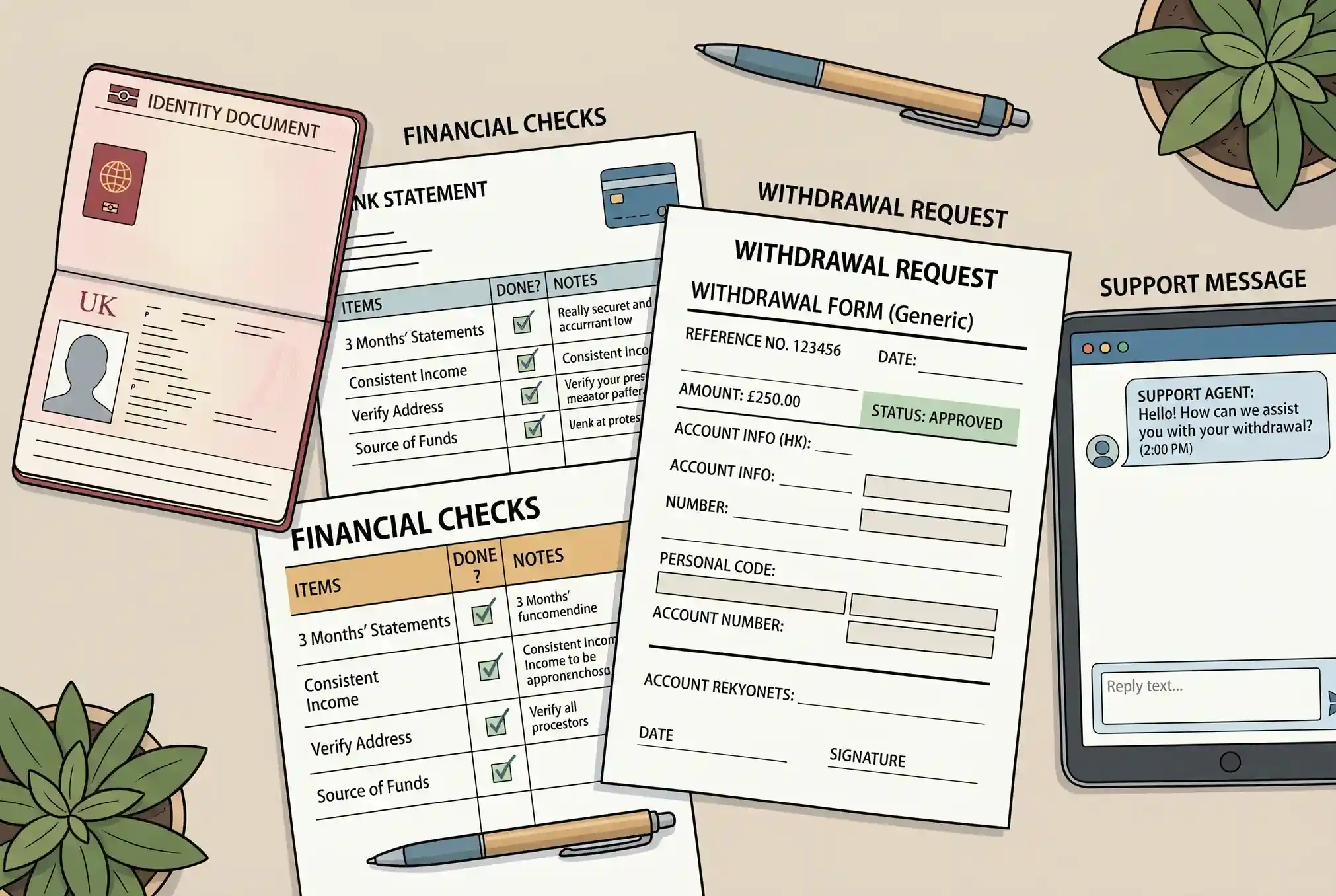
Speed depends on the rail more than the operator. Crypto is fastest at 15 minutes to 4 hours end-to-end; e-wallets clear in 4–24 hours; debit cards take 1–3 working days; bank transfers 3–5. Casino-side processing adds 0–48 hours on top depending on verification status. First withdrawals are almost always slower than subsequent ones because KYC completes at cashout, not registration, at most offshore sites.
The table below sets typical payment speeds and limits side by side across the shortlist. Numbers reflect the standard range across the eight operators; individual sites may run faster or slower, and first-withdrawal delays for KYC are additive on top of the “typical time” column.
| Method | Typical Deposit Time | Typical Withdrawal Time | Common Min/Max per Transaction | Notes for UK Players |
|---|---|---|---|---|
| Bitcoin / Litecoin | 10–30 minutes | 15 minutes – 4 hours | £20 min / £10k+ max | Fastest rail; network fees under £1 in most cases |
| USDT (Tron/ERC-20) | 5–20 minutes | 30 minutes – 2 hours | £20 min / £10k+ max | Avoids BTC price volatility; check network before sending |
| Skrill / Neteller | Instant | 4–24 hours | £10 min / £5k max | Fastest fiat route; can be restricted for offshore merchants |
| MiFinity | Instant | 6–24 hours | £10 min / £5k max | Workaround wallet when Skrill/Neteller decline |
| Debit card (Visa/Mastercard) | Instant | 1–3 working days | £10 min / £5k max | UK banks may block; Monzo/Starling need in-app override |
| Credit card | Instant | 2–5 working days | £10 min / £5k max | Banned at UKGC sites since 2020; available offshore |
| Bank transfer | 1–3 working days | 3–5 working days | £20 min / £10k+ max | Slowest rail; useful for large single withdrawals |
| Apple Pay / Google Pay | Instant | Not typically supported | ВЈ10 min / ВЈ5k max | Deposit-only in most cases |
The PayPal-at-Non-GamStop Myth
PayPal’s merchant terms require UKGC licensing, and every UKGC-licensed casino must participate in GamStop – which means a genuine PayPal casino outside that scheme is close to non-existent. This is worth stating plainly because “non-GamStop PayPal casino” is a popular search term and mostly a marketing artefact. When you see PayPal advertised at an offshore site, verify it works before treating it as a real payment option; the merchant relationship is often intermittent.
Mobile Play and Casino Apps
Every site on the shortlist runs a responsive mobile browser build. That is the actual mobile experience. You won’t find most non-GamStop bookmakers in the Apple App Store or Google Play — both stores require a UKGC licence for real-money gambling apps, which these operators don’t hold. Native app claims should trigger a second look; some operators sideload APKs for Android users, which introduces its own security question.
The browser-based experience is competent across all eight sites on this list. Slots, live tables, and cashiers all work on modern iOS and Android browsers without meaningful feature loss. The only thing genuinely missing from a mobile session compared to desktop is screen area for the live dealer floors — a Crazy Time board fits on a phone screen but loses its overview quality.
For a native experience closer to what UKGC sites offer through their App Store presence, the practical answer is to add the mobile browser to your home screen as a shortcut. It behaves like an app, avoids the sideload risk, and updates automatically.

New British Casinos Not on GamStop in 2026
The offshore market rotates faster than the domestic one. New brands launch every month; some establish themselves within a quarter, most fade back inside a year. UK affiliate lists for 2026 have consolidated around a shorter roster than in 2023, partly because the market matured and partly because the LOK reform culled operators that couldn’t or wouldn’t upgrade their licences.
The best casinos not on GamStop for July 2026 are Goldenbet, Donbet, Mystake and Velobet. Best new non-GamStop casinos are BetPortal, Zizobet, Nitrobet and Wildies. BetPortal and Nitrobet fall just outside the shortlist above on payment breadth and wagering terms respectively; both are worth watching for a second-half 2026 review.
The signals worth checking on a new site: direct CGCB licence (not a sub-issue), a documented KYC process rather than a promise of “no verification”, a published RTP figure at the casino level, and at least six months of live operation before you deposit anything significant. New sites offer the biggest welcome packages because they are buying customer acquisition, and the biggest welcome packages usually carry the steepest wagering. That is the trade.
Are Winnings From Non-GamStop Casinos Taxable in the UK?
No. Gambling winnings for UK residents are not subject to income tax or capital gains tax, regardless of where the casino is licensed. This has been the position since the 2001 gambling tax reforms, which shifted the tax burden onto the operator. UKGC-licensed sites pay UK duties; offshore sites pay their own jurisdictional duties. Neither affects the player’s tax return. Keep records anyway.
Responsible Gambling When There Is No GamStop Backstop
This section exists because the rest of the article does. If you are reading a guide to sites that will not honour a self-exclusion register, you should also be reading, at least once, the argument for setting your own brake before you start.
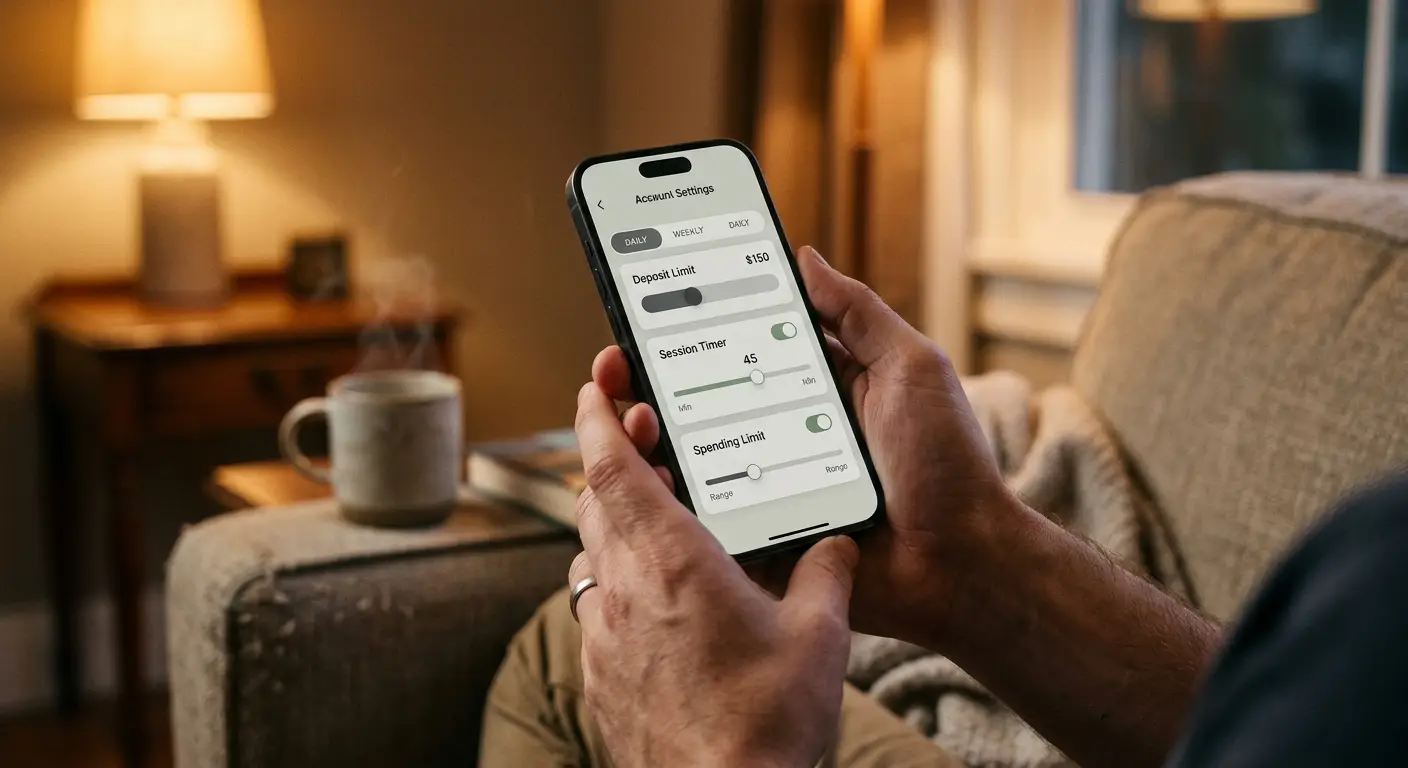
Offshore sites do carry responsible gambling tools. Standards vary. The better operators surface deposit limits, session timers, and cooling-off periods in the account dashboard; the worse ones bury them in a support-chat form. Every site on the shortlist above supports at least a deposit limit and a temporary self-exclusion of at least a week, which is the minimum bar that should exist.
External tools work regardless of the casino:
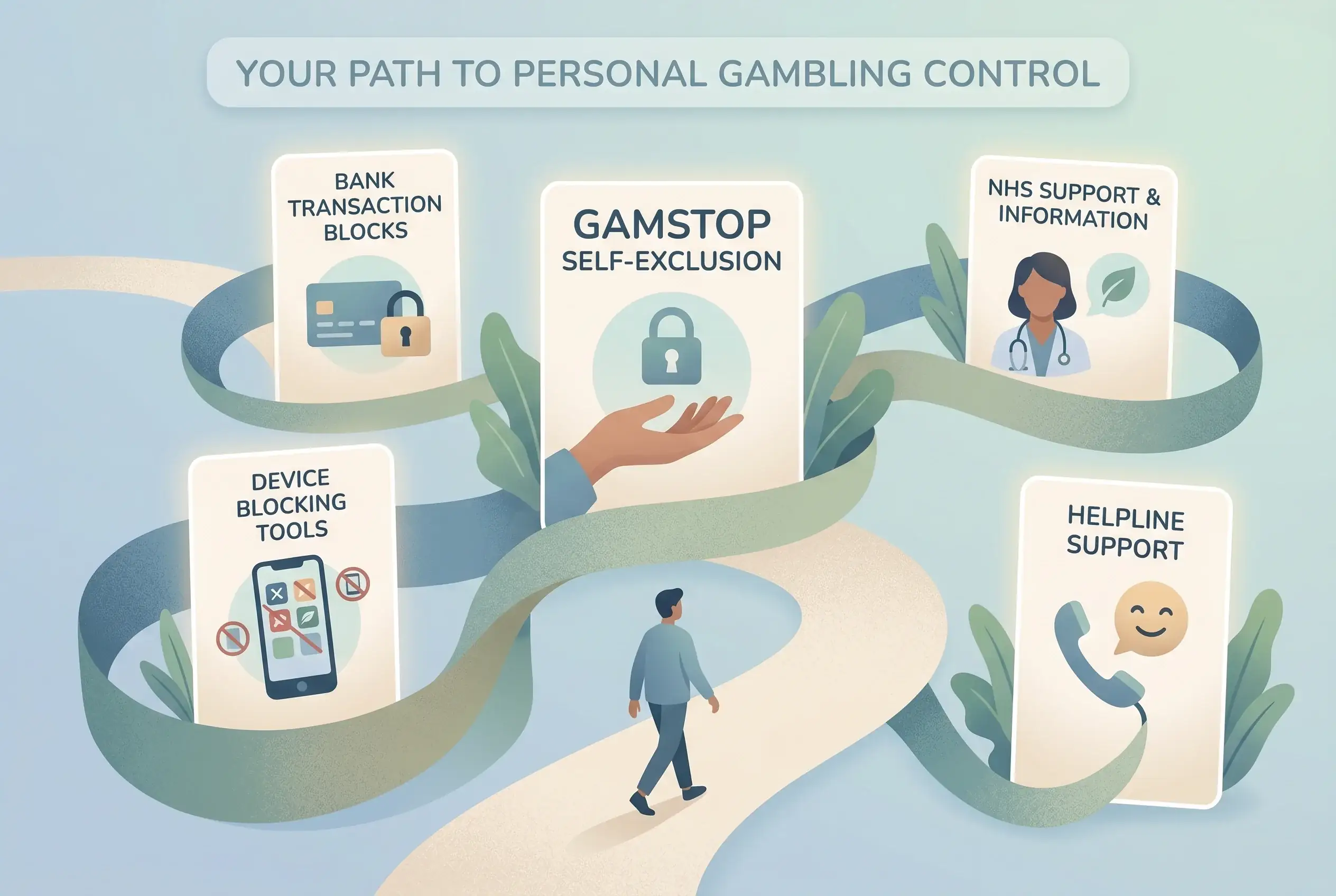
- Gamban and BetBlocker are software blockers that cover offshore sites GamStop cannot reach. Bank-level gambling blocks (Monzo, Starling, Barclays, and several others offer them) add a second layer that operates at the payment rail rather than the browser.
If gambling stops feeling optional, the number to call is 0808 8020 133. The the National Gambling Helpline is operated by GamCare and offers: Free and confidential support for all adults in Great Britain В· Trained staff, available to help anyone affected by gambling В· Support 24 hours a day, 7 days a week via phone or live chat. That is not marketing text. Free, confidential, 24 hours, no judgement. Non-GamStop casinos will not put that number in a promotional email, so this guide will.
How Do I Set a Deposit Limit at a Non-GamStop Casino?
Every operator on the shortlist above allows deposit limits through the account dashboard. The tool is usually in an “account settings”, “responsible gambling”, or “safer play” tab. Daily, weekly, and monthly limits are supported. Increases typically take 24 hours to apply as a cooling-off measure; decreases apply immediately. Setting a limit before your first deposit is the single most useful thing this guide can suggest.
What Should I Do if I Feel My Gambling is Becoming a Problem?
Stop depositing, close the tabs, and use a bank block if your bank offers one — Monzo, Starling, and Barclays all do. Then call 0808 8020 133 or use the GamCare live chat at gamcare.org.uk. Both are free and available 24 hours a day. The self-help resources on the GamCare site are worth reading even before the call.
Final Read
British casinos not on GamStop in 2026 exist because the UKGC market changed materially in the last eighteen months, and a share of UK players preferred to keep the old bonus mechanics and stake ranges rather than accept the new caps. The offshore market delivers those mechanics. It also delivers thinner dispute-resolution routes, patchier payment reliability, and no external self-exclusion backstop. Both statements are true. Neither cancels the other.
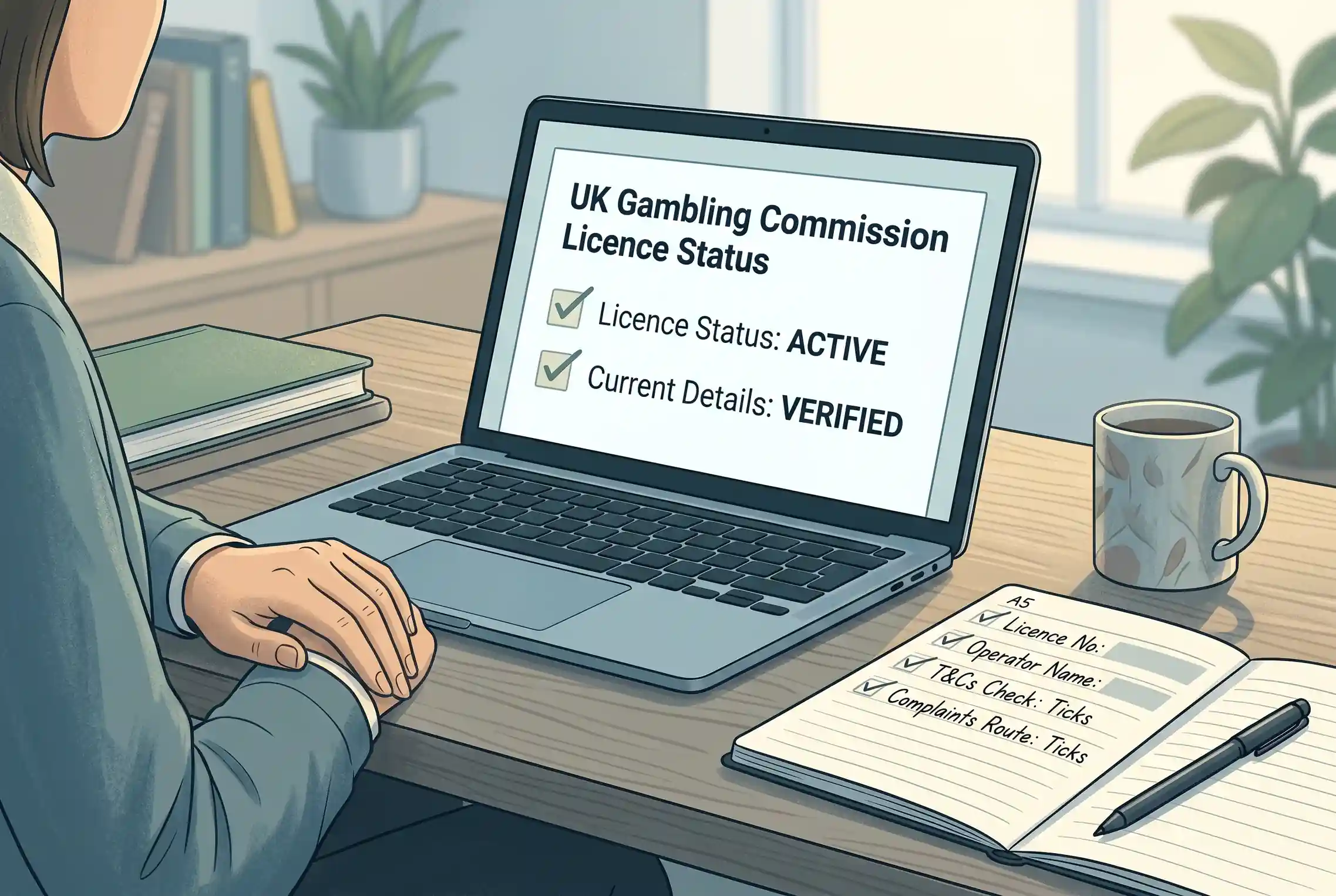
If you are choosing an operator from the shortlist above, the useful mental checklist is short: verify the licence directly on the regulator’s portal, read all four numbers on the welcome offer before depositing, use crypto or an e-wallet for withdrawals if speed matters, set a deposit limit inside the account dashboard before the first spin, and keep the GamCare helpline number somewhere retrievable. That’s the practical version. Everything else is marketing gloss, and the marketing gloss is the same at every casino on the internet.
Casinos are not charities. Nobody hands out free money. If any part of this page suggested otherwise, read it again.
Created by the "Casino not on Gamstop" editorial team.