Marketing Consent & Privacy Policies at UK Gambling Sites
 Available in GB
Managing Data Sharing and Cookie Choices Before Registering
A privacy page is not just background reading. It is where a gambling business should explain who controls your data, what information it collects, why it uses it, who it shares it with, how long it may keep it and how you can contact the business about your rights. The ICO’s guidance on the right to be informed is useful because it puts the emphasis on clear, accessible information rather than vague claims that everything is handled responsibly.
For gambling, the privacy question is tied to several other checks. Age and identity verification may require documents. Payment and withdrawal reviews may involve transaction information. Safer gambling tools may use account activity. Marketing systems may use email, text messages, app prompts, cookies or profiling. None of this means every request is suspicious, but it does mean you should know what the business says before you hand over more information.
Be careful with sites that treat privacy as a short footer link, a copied template or a wall of legal wording with no practical contact route. Clear information does not guarantee good behaviour, but unclear information makes it harder to understand the risk. If the operator identity is also hard to confirm, the privacy concern becomes stronger because you may not know who is actually handling your data.

What clear information should tell you
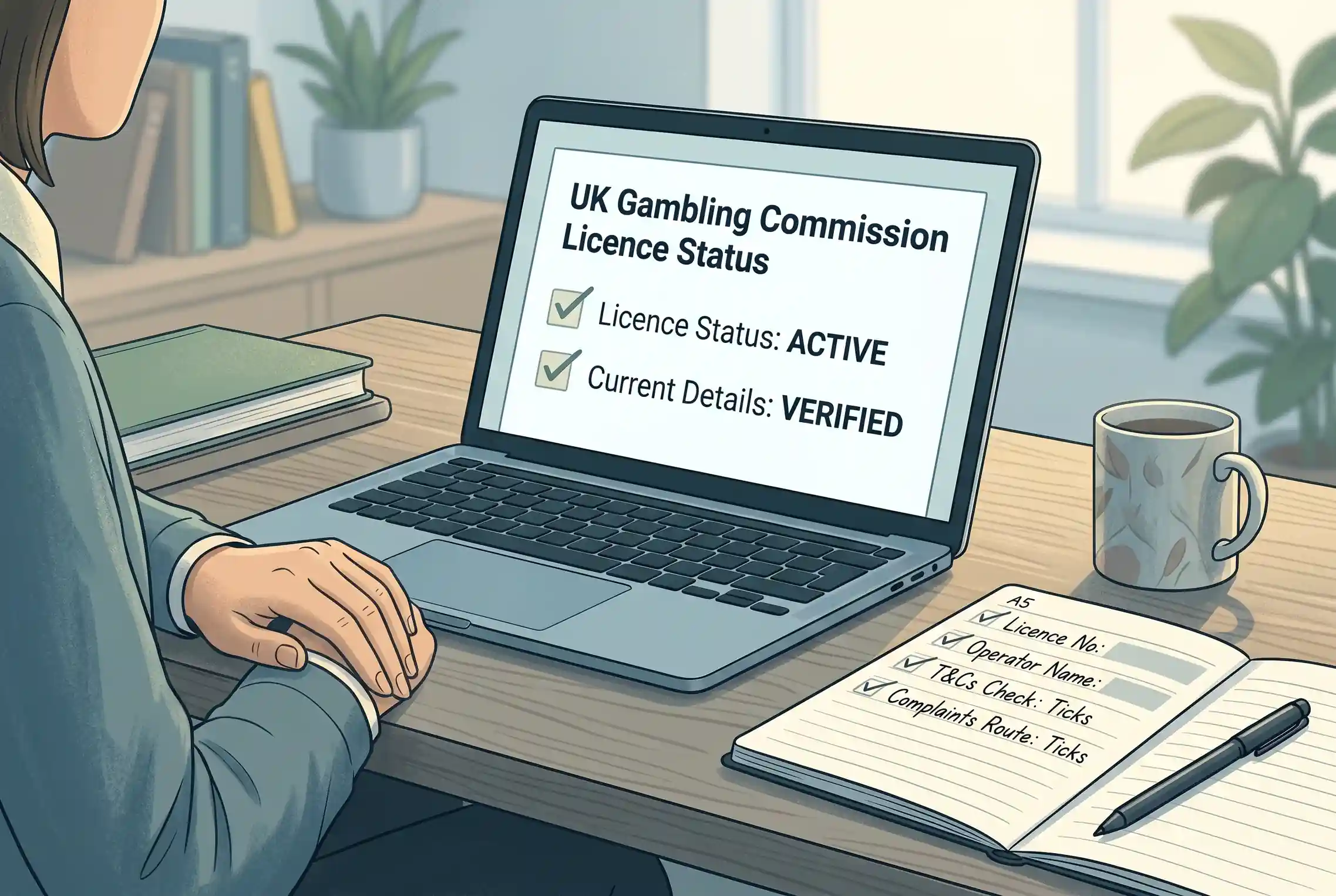
Start with the basics. The privacy notice should identify the business, connect to the same operator details used elsewhere on the site, and explain the main categories of personal data. If the site name, trading name, business name and complaint contact do not line up, pause and read the pre-deposit licence check before sending anything sensitive.
Next, look for plain explanations of purpose. A reader should not have to guess whether data is used for account administration, identity checks, payment processing, safer gambling monitoring, fraud prevention, legal duties, marketing or analytics. Some of those purposes may be expected in gambling, but the notice should still tell you what is happening in language a normal customer can follow.
Also check the contact route. A useful notice should make it clear how to raise a privacy question, how to ask about your information and how to object to or stop marketing where that route applies. If the page sends every concern back to a generic chat window, or if support refuses to explain who handles data questions, keep a record. A weak contact route can become important if a privacy concern turns into a complaint.
Cookies and marketing pressure
Cookie choices deserve more attention than many readers give them. A cookie banner should not be treated as a harmless screen to click through. It can affect tracking, analytics, personalisation and advertising. Look for a real choice, clear wording and a route to change settings later. A banner that pushes one bright accept button and hides every other option may be a sign that the site is more interested in fast consent than informed choice.
Marketing is another pressure point. Gambling messages can arrive by email, text, app notification or other direct channels. Before agreeing to marketing, check whether consent is separate from account creation, whether you can unsubscribe or opt out, and whether the site explains how long it takes for a change to apply. Do not treat “free spins”, bonus reminders or account-reactivation messages as harmless if you are trying to reduce gambling or stay away from it.
For someone who has self-excluded, used bank gambling blocks or is trying to control spending, marketing can be more than annoying. It can pull attention back to gambling at the wrong moment. If a site keeps sending messages after you have withdrawn consent or unsubscribed, save the messages, dates and settings shown in your account. If marketing is making it harder to stop, use protection and support first, not another account.
Documents, sharing and retention
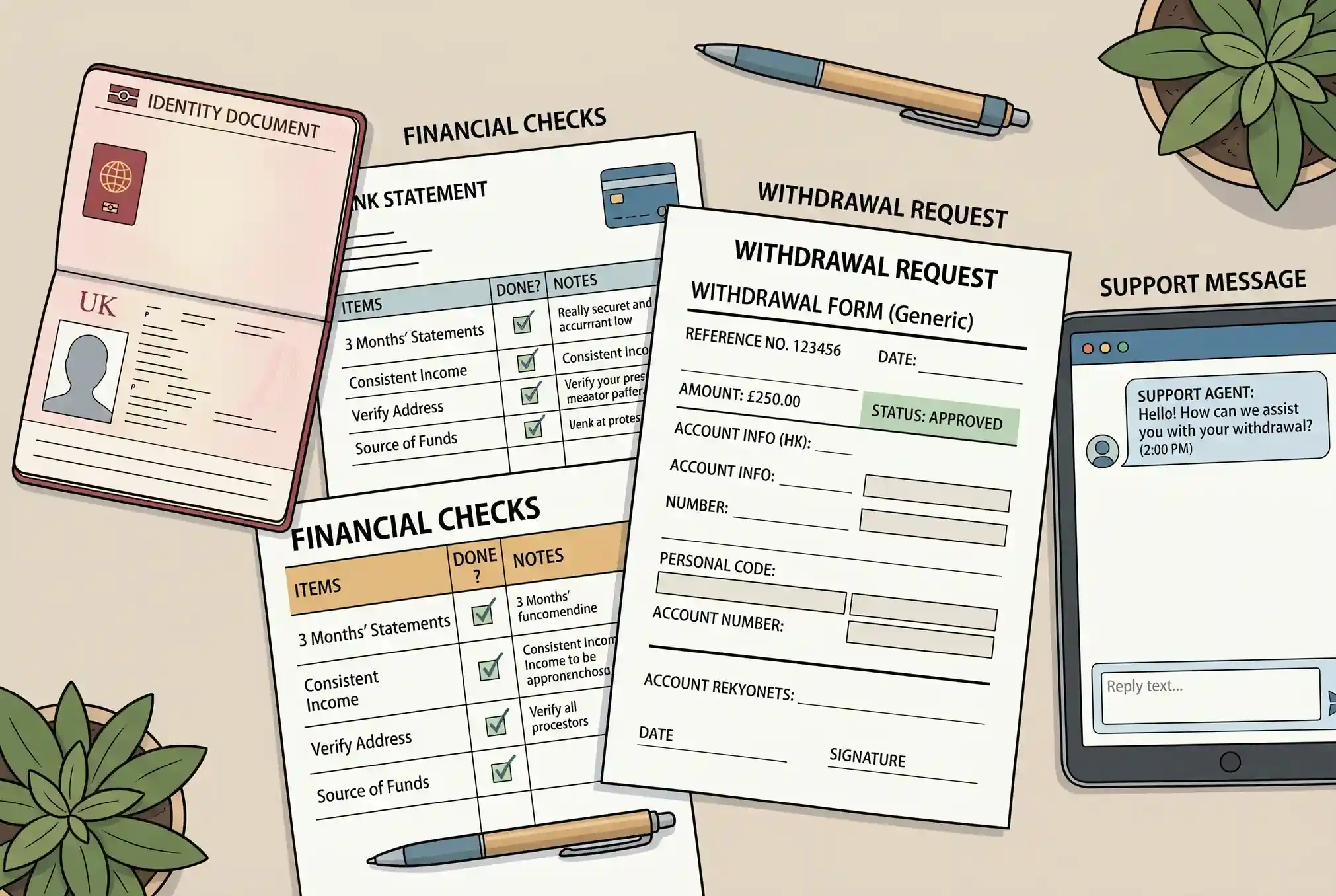
Privacy checks become more important when a site asks for identity documents, selfies, proof of address, bank statements or payment screenshots. Some checks can be part of age, identity, fraud, payment or safer gambling processes, but a real request should still be explained. Read the ID and financial checks guide if your concern is mainly about why documents are being requested or whether a withdrawal is being delayed.
Before sending documents, ask practical questions. Does the site explain what document is needed and why? Does the business name match the account and privacy information? Does the upload route look like part of the account system rather than a random email request? Does the notice say whether information may be shared with payment firms, verification providers, regulators or other service providers? Does it say anything about retention or deletion requests?
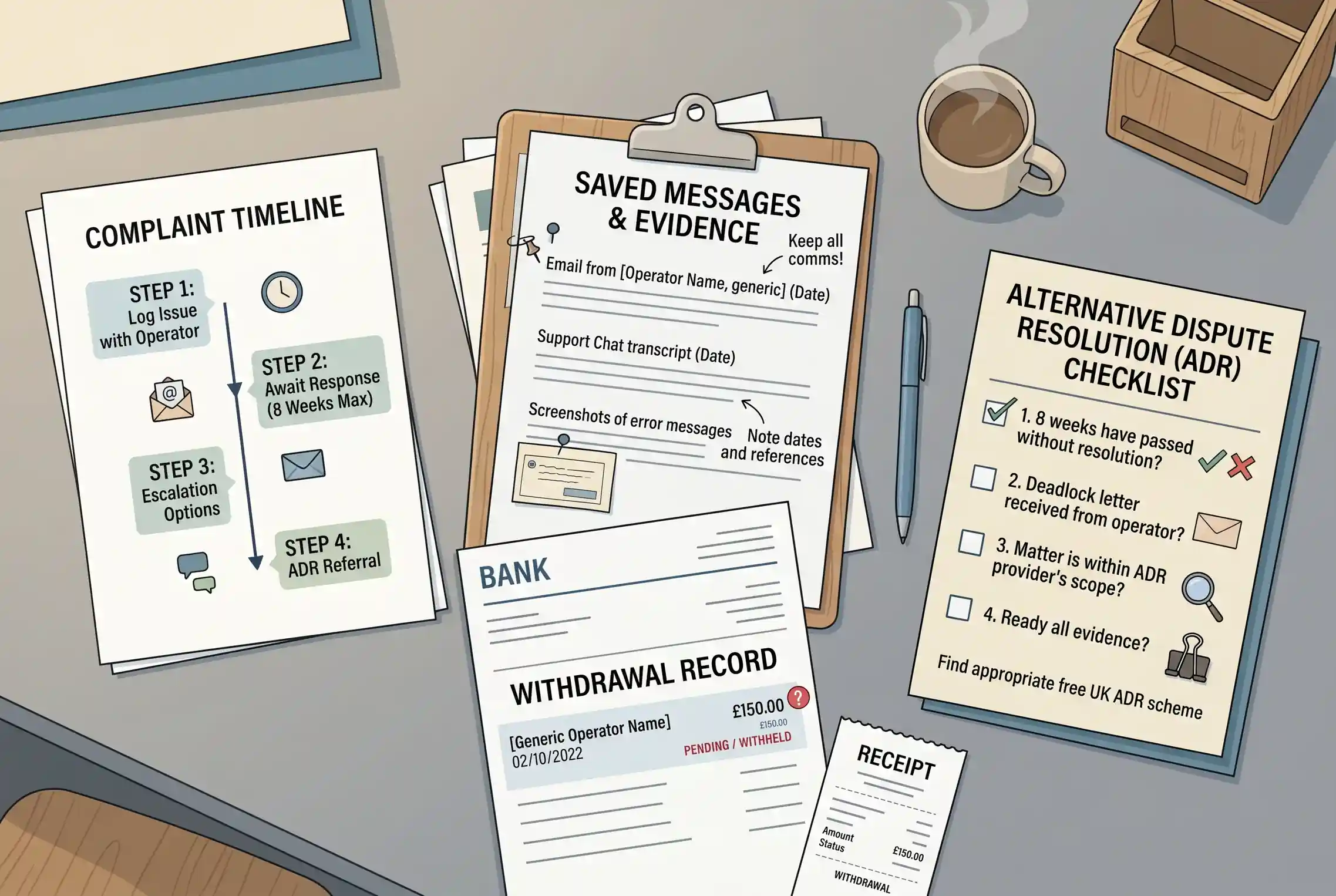
Avoid unsafe shortcuts. Do not send false documents, use another person’s account, hide payment ownership or provide information through a channel that feels unrelated to the site. If the request is unclear, ask for the rule or process being used. If support gives inconsistent answers, save the conversation. If money is already delayed and the privacy issue is part of the dispute, move to the complaints and withheld money guide.
Checklist and risk map
| Check | What a clear site should show | Risk sign | Safer response |
|---|---|---|---|
| Business identity | The same operator details across the privacy notice, terms, complaints page and account pages. | Different names, missing business details or copied-looking wording. | Check the official operator position before depositing or sending documents. |
| Cookie choice | A clear choice and a way to change settings. | Only an accept button, unclear categories or no obvious settings route. | Do not click through automatically; record what options were shown. |
| Marketing controls | Separate consent, unsubscribe or opt-out routes and clear account settings. | Messages continue after opt-out or the account makes opt-out hard to find. | Save messages and settings; use support routes if marketing affects control. |
| Document handling | An explanation of why documents are needed and where to upload them. | Requests through informal channels or vague pressure to send more data. | Ask for the process and avoid sending sensitive files until the route is clear. |
| Data sharing | Plain wording about service providers, checks, payment firms or regulators where relevant. | No explanation of who may receive data. | Ask the business before proceeding and keep a copy of the answer. |
| Contact route | A way to raise privacy questions that is more specific than repeated chat scripts. | Support cannot say who handles data or marketing complaints. | Use the complaint process if the concern is not answered. |
Support routes for privacy and marketing pressure
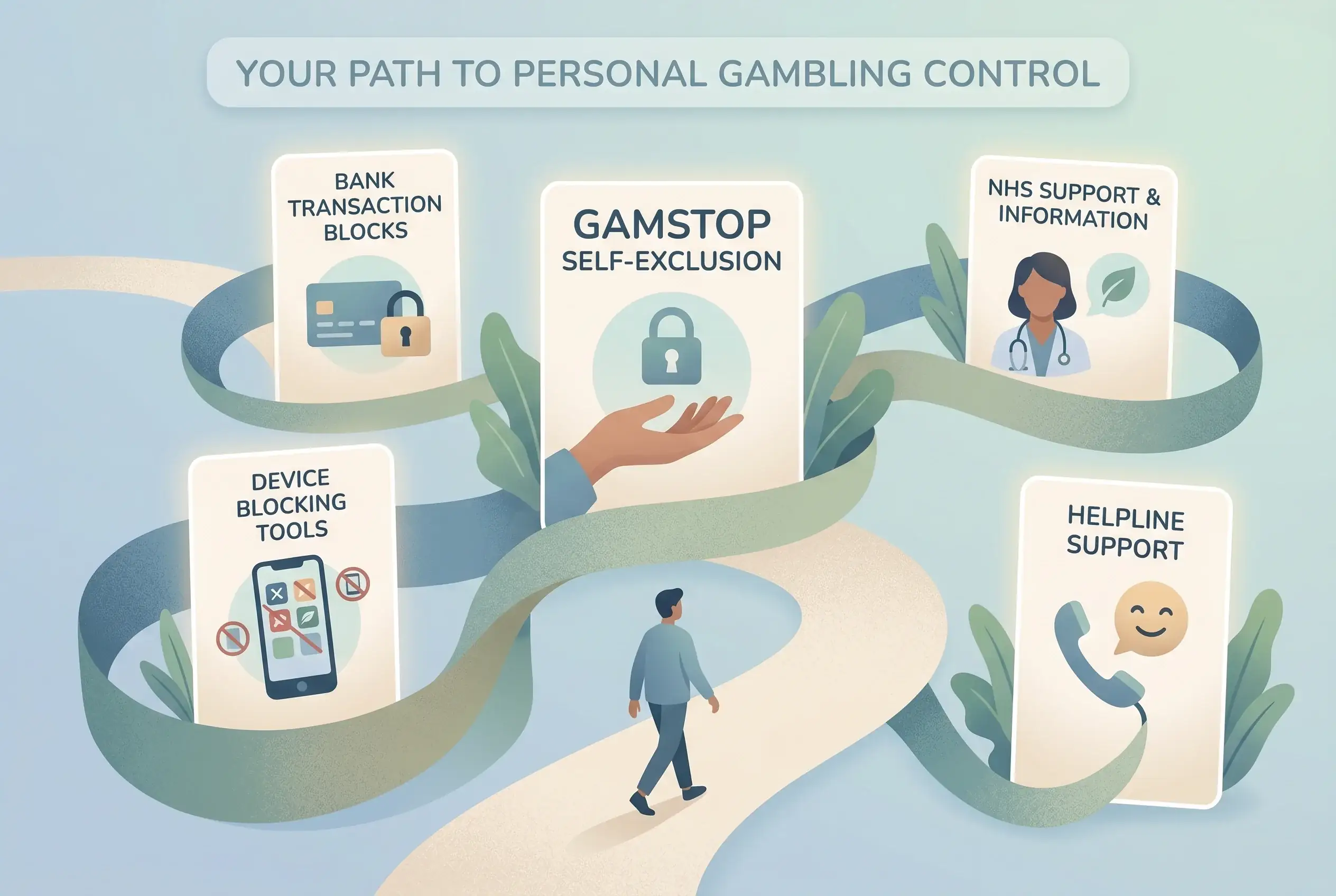
If privacy and marketing worries are linked to gambling pressure, treat them as a protection issue. You can unsubscribe, change account settings, use bank gambling blocks, add blocking software and seek support. The National Gambling Helpline from GamCare is 0808 8020 133 and is available 24 hours a day, 7 days a week. NHS information also recognises that gambling problems can affect money, relationships, physical health and mental health.
If you are checking a site before creating an account, combine this page with the operator and licence check. If the problem is a document request, read the verification guide. If money is delayed, use the complaint route guide. If marketing pressure is pushing you toward gambling after self-exclusion or a block, read what to do when GAMSTOP does not feel enough before making any further gambling decision.
Created by the "Casino not on Gamstop" editorial team.