Additional Blocking Tools & Gamstop Alternatives in the UK
 Available in GB
Primary Functions of the Gamstop Exclusion Scheme
GAMSTOP is an official online self-exclusion scheme. It is meant to put distance between you and online gambling accounts that participate in the scheme. In plain terms, it is a barrier, not a punishment and not an inconvenience to beat. If an active exclusion is in place, GAMSTOP’s own support material says it cannot be cancelled early. When an exclusion period has expired, removal follows GAMSTOP’s own process rather than an informal request to a gambling site.
That boundary matters because searches for gambling options outside the familiar self-exclusion environment can happen when someone is frustrated, distressed, chasing losses or trying to regain access. Those moments are exactly when a simple commercial answer can be harmful. A safer plan starts by asking what you need protection from: a sudden urge, a repeated pattern, marketing pressure, access on a particular device, a payment route, or the feeling that you have no one to tell.
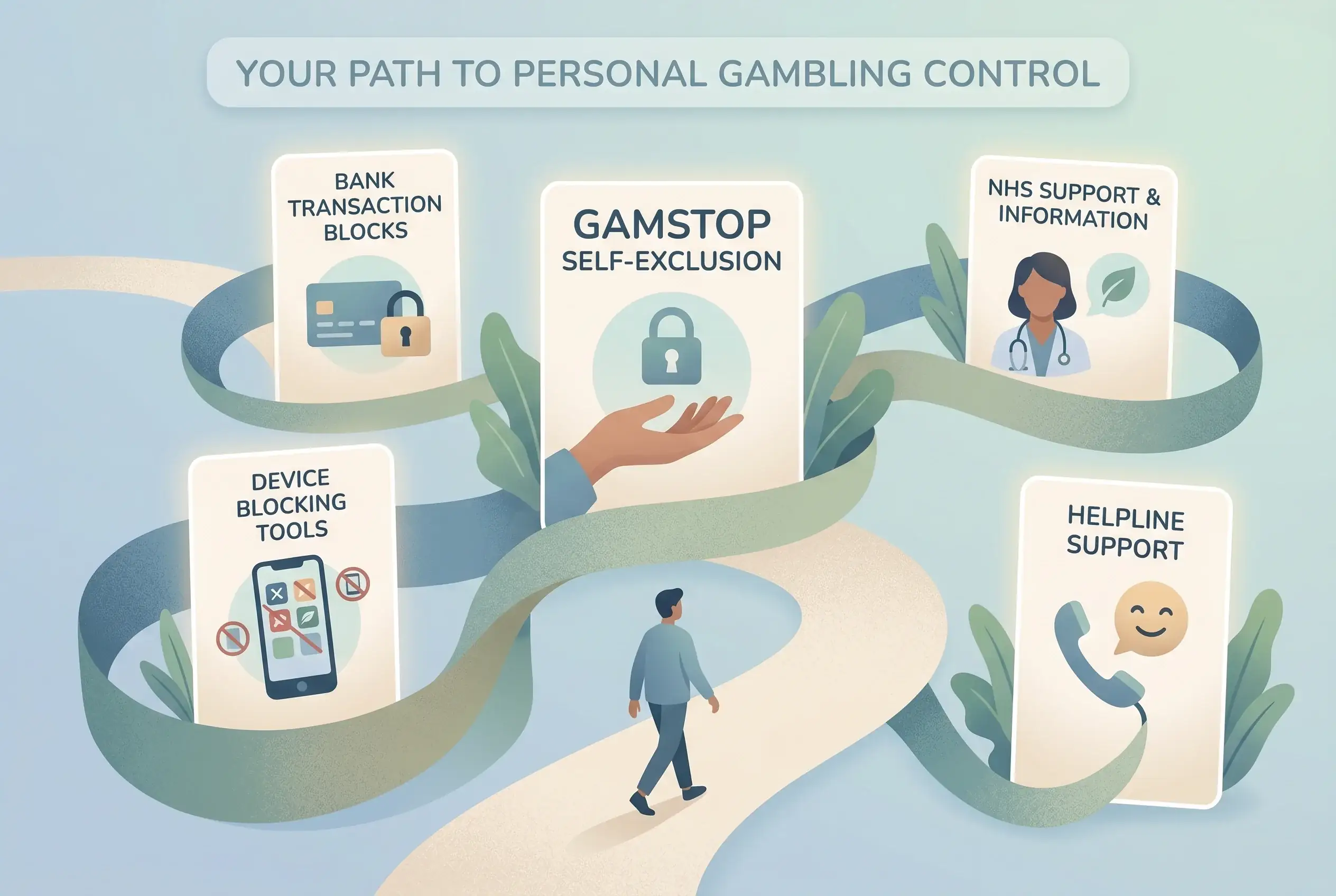
There is no single tool that works for every person. GAMSTOP can be one layer. Bank gambling blocks, device or web blocking software, account limits, support conversations and NHS information can add more layers. The aim is not to create a perfect system in one step. It is to reduce the number of easy openings at the times when gambling feels hardest to control.
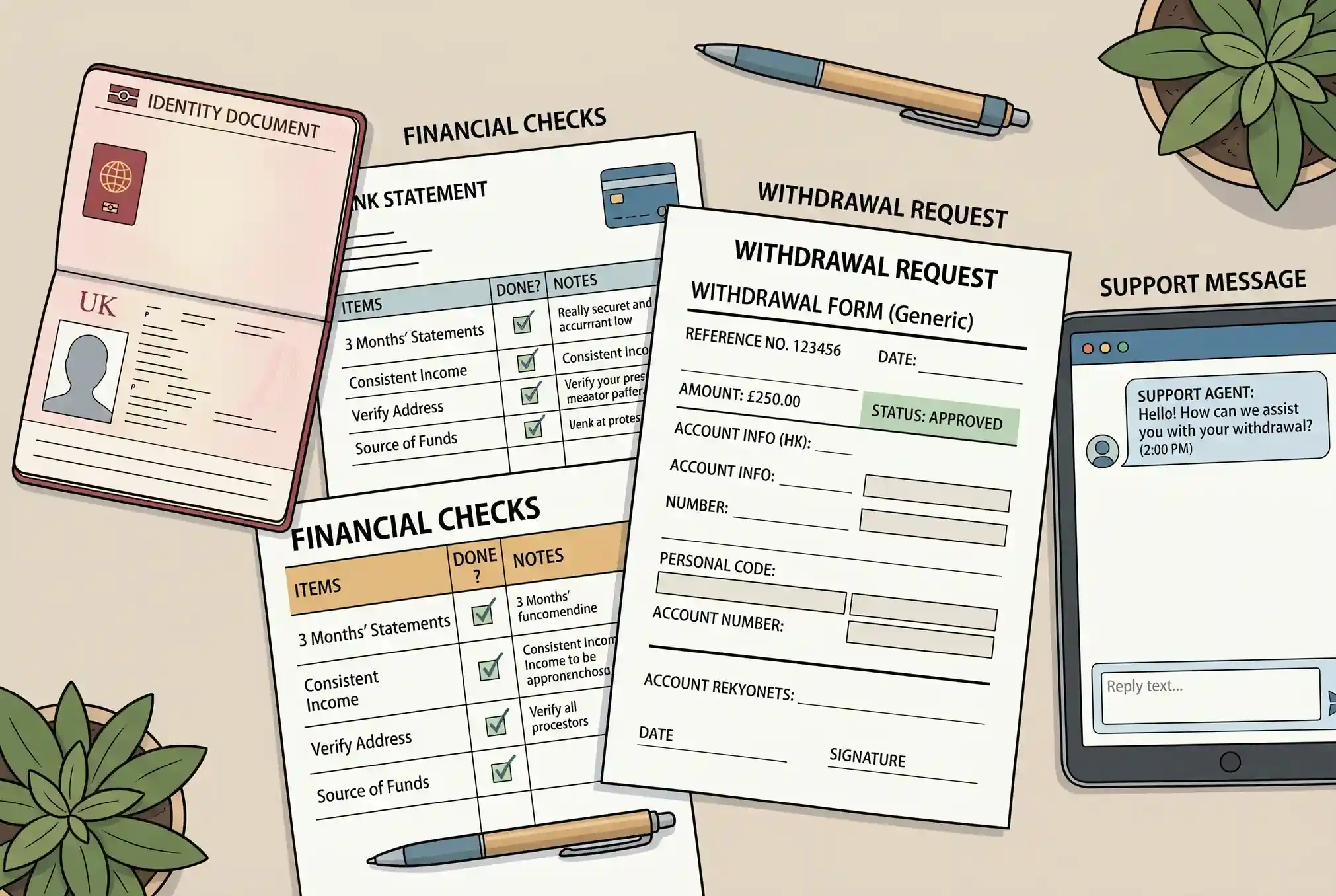
Players should also be prepared for standard ID and financial checks when requesting their winnings to avoid delays.
Choose the situation that fits
Use the path below as a calm check-in. It is not about proving that you have a problem. It is about choosing the next useful action without turning the page into a route back to gambling.
| Your situation | Useful next action | Why this helps |
|---|---|---|
| Your GAMSTOP exclusion is active and you feel annoyed or trapped by it. | Treat the barrier as active protection. Contact GAMSTOP support for scheme questions and contact GamCare or the National Gambling Helpline if the urge feels hard to manage. | The difficult moment is temporary, but opening a new route can restart the pattern the exclusion was meant to interrupt. |
| Your exclusion has expired and you are unsure whether to remove it. | Pause before changing anything. Look at your recent urges, debts, time spent gambling and reasons for taking the exclusion in the first place. | Expiry does not have to mean immediate return. A waiting period and support conversation can make the decision less reactive. |
| A bank block or failed payment stopped you. | Leave the block in place while the urge passes. If the bank offers extra cooling-off controls, consider using them. | Payment friction creates time. Time makes it easier to contact support, step away from the screen or speak to someone you know well. |
| You keep seeing gambling adverts, emails or reminders. | Use unsubscribe routes, marketing preferences, blocking tools and privacy settings. Avoid clicking promotional messages to test whether they still work. | Reducing prompts can make the next decision easier before the urge has built up. |
| You are worried about someone else. | Use GamCare, NHS information or a recognised support service to understand how to talk without blame. | Support for family and friends can help you set boundaries and avoid carrying the situation alone. |
| You feel at immediate risk of gambling money you cannot afford to lose. | Step away from the device, remove access to payment details where you can, and contact confidential support now. | The priority is interrupting the moment, not making a perfect long-term plan straight away. |
Extra barriers that can help
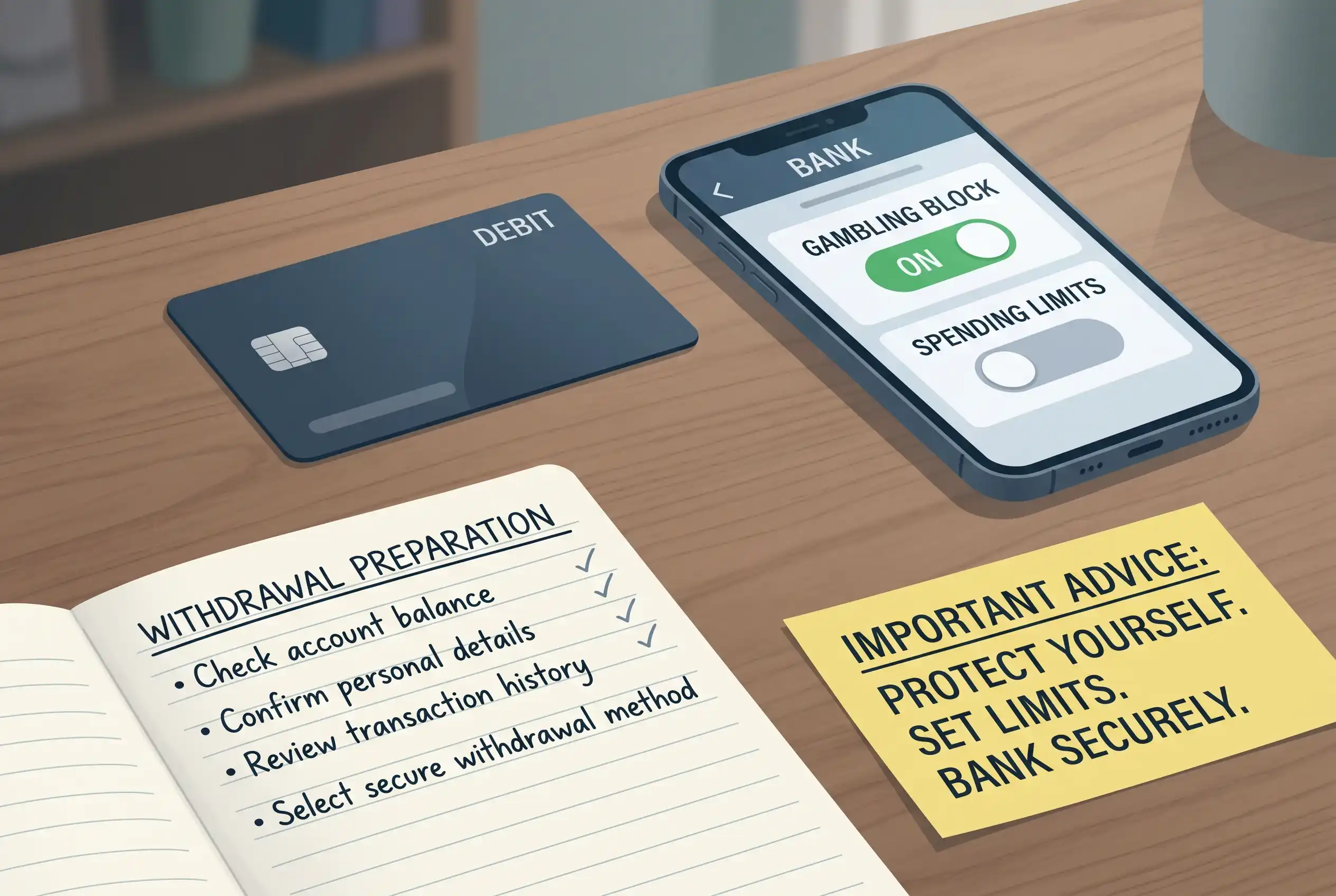
Bank gambling blocks are a practical financial barrier. The Gambling Commission’s public guidance points readers toward blocking gambling transactions with a bank, and GamCare explains bank gambling blocks as a protection tool. Availability and exact controls vary by bank, so the careful step is to check your own bank’s app or contact your bank directly. Do not look for a different payment route to defeat a block that is helping you pause.
Device or web blocking software can add another layer. This can be especially useful if the urge appears late at night, when you are alone, or when a small trigger quickly turns into account registration. The aim is not to rely on software as a cure. It is to make the next harmful action less immediate.
Account limits and playing-history tools can also help when they are available through licensed accounts. The most useful limit is one set before a difficult moment, not one adjusted while chasing a loss. If you are already self-excluded, do not use account tools as a reason to seek a new account. Use them as background knowledge for when you are managing existing or future risk with support.
NHS information can be useful when gambling is affecting relationships, health, work, sleep or money. You do not need to decide on a label before reading it. Public-health information can help you recognise patterns, understand available help and prepare to talk to a GP, a local service or a confidential helpline.
What not to do when the urge is strong
- Do not treat a site outside GAMSTOP coverage as a harmless detour if your exclusion or block is active.
- Do not involve another person’s account, card, documents or personal details in gambling.
- Do not remove a useful bank block during a short burst of frustration.
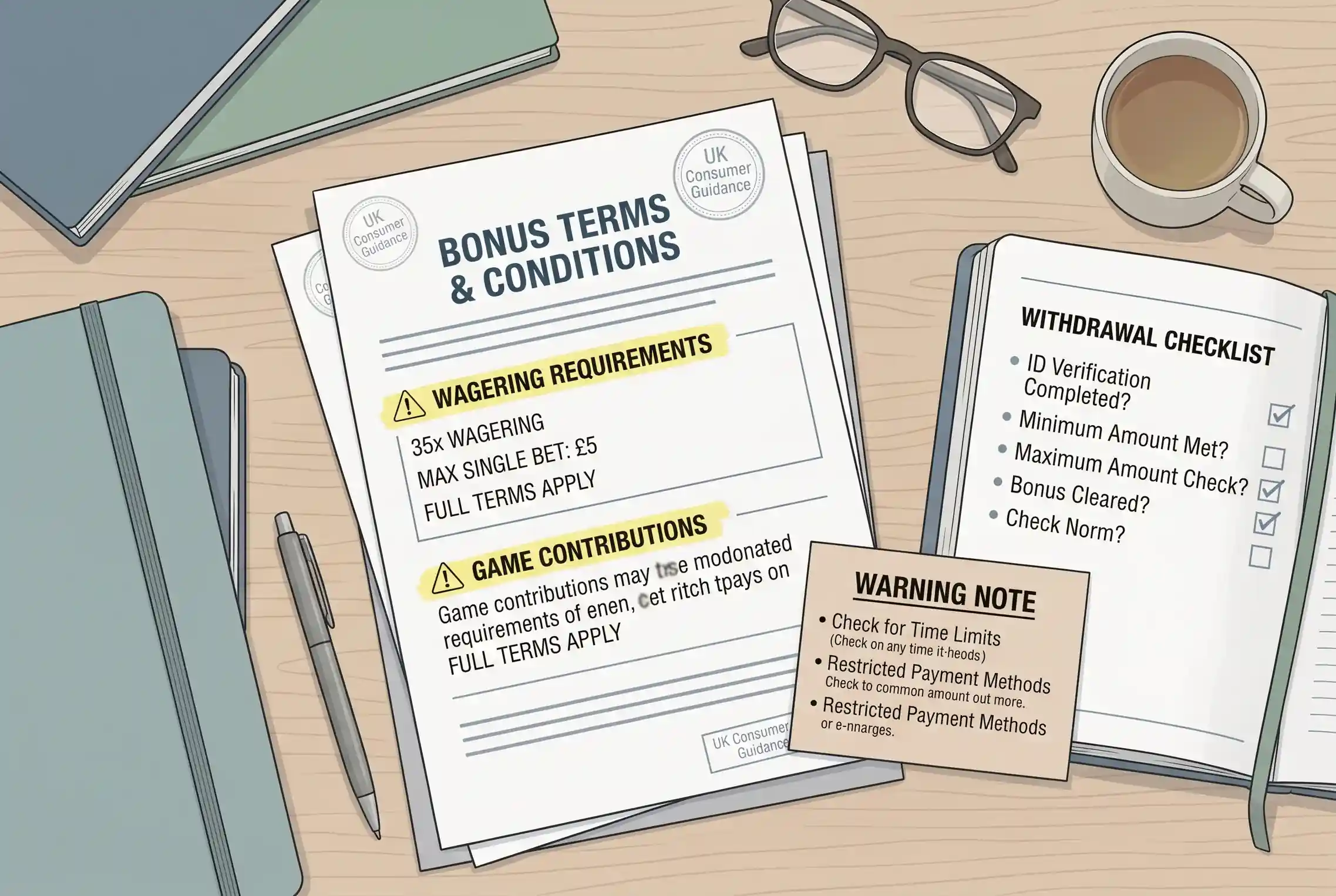
- Do not chase a bonus or a “quick win” to fix losses, bills or stress.
- Do not keep the situation private because of embarrassment if a confidential support route is available.
The point of these warnings is not shame. It is that gambling decisions made under pressure often create more pressure. A barrier that feels irritating in the moment may be doing exactly what it was meant to do: slowing the next action until you can make a calmer choice.
Support routes when GAMSTOP is not enough
If you want a confidential conversation, start with GamCare and the National Gambling Helpline. For health information, use NHS help for problems with gambling. For scheme questions, use GAMSTOP and its official help pages. If payment access is part of the pattern, read the payment rules and bank blocks guide.
If you are looking for alternative platforms, ensure you choose reputable non Gamstop casinos that prioritize player safety and fair play.
If you are reading this for general consumer awareness, and not because an active self-exclusion is stopping you, you can also learn how to check a gambling site before deposit. Keep that task separate from gambling-control support. If the real problem is the urge to continue, the support route comes first.
Created by the "Casino not on Gamstop" editorial team.