Wagering Rules & Withdrawal Conditions for UK Casino Bonuses
 Available in GB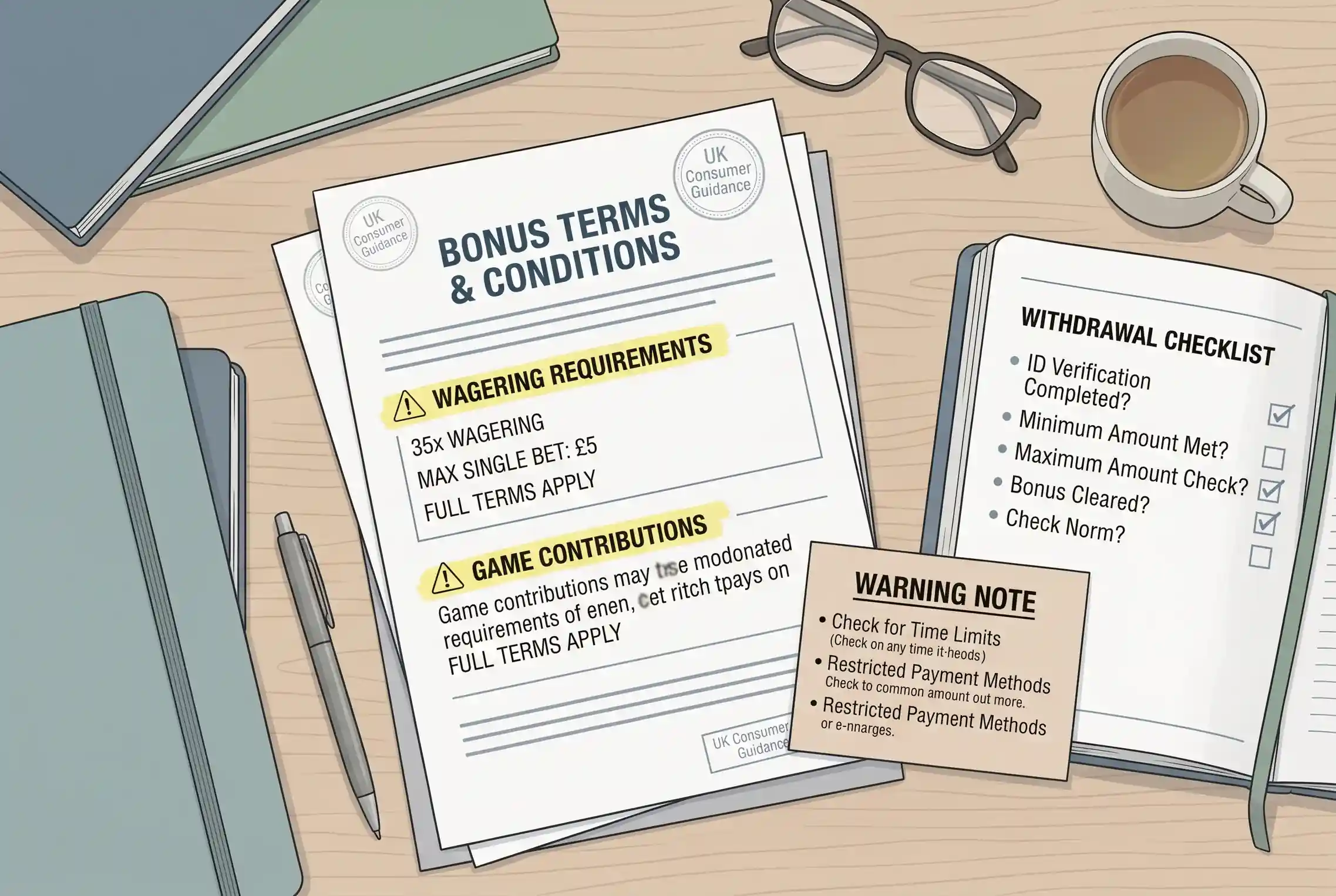
Understanding Complex Wagering Requirements Before Depositing
Good account terms should tell you the conditions that affect your money in a way you can find and understand before you deposit or accept a promotion. That includes bonus restrictions, withdrawal rules, complaint routes, account fees and any important limits. If a term is scattered across several pages, hidden behind vague words, or written so that a normal reader cannot see the effect, the practical risk rises even before any dispute begins.
Licensed-sector guidance and consumer-protection material put emphasis on fair and transparent terms. That does not mean every restriction disappears. A gambling business may set rules for promotions, identity checks, account use and withdrawals. The issue is whether those rules are clear, available in time, applied consistently and not used to trap ordinary deposit money behind bonus conditions that were not properly explained.
A phrase such as “casino not on GAMSTOP” can make bonus claims sound more flexible, but it can also reduce the protection you might expect from a familiar licensed-sector account. Do not let a headline bonus distract from the basic checks: who operates the site, what licence position is stated, what terms apply to your deposit, how complaints work, and what happens if you stop using the account.
Checks before accepting a bonus
Before accepting any promotion, read the wagering rule first. A wagering requirement tells you how many times a bonus, deposit or bonus-related amount must be played before withdrawal is allowed. Also check which games count, whether different games contribute at different rates, whether there is a deadline, and whether there are limits on the amount that can be converted to withdrawable cash.
Read the restriction on deposit balances separately. Official licensed-sector guidance treats restrictions on withdrawing deposit money and deposit winnings as a consumer-protection issue. The plain lesson is that your own deposit balance should not be treated as if it is automatically locked behind bonus play just because a bonus is active. There can still be regulatory checks, fraud controls or account issues, but a bonus should not become a vague explanation for everything.
Also check whether the promotion is linked to more than one product, whether the rules changed recently, and whether the promotion page matches the full terms. Gambling Commission material on promotions refers to rules from 19 January 2026 on bonus wagering caps and mixed-product incentives. Because promotion rules can change, the safe habit is to read the current terms on the operator’s own site and not rely on old summaries, screenshots or marketing claims.
Bonus versus no bonus: what to read first
| Situation | Terms to read | Main risk | Safer next step |
|---|---|---|---|
| Before accepting a bonus | Wagering requirement, game contribution, maximum conversion, expiry date and excluded games. | You may think money is withdrawable when it is still tied to bonus rules. | Do not accept until you can explain the rule in one sentence. |
| Before depositing without a bonus | Withdrawal limits, account verification, payment ownership, fees and complaints route. | You may miss a non-bonus rule that still affects withdrawal. | Check the account information page and keep a copy of key terms. |
| After a bonus is active | How to cancel the bonus, what happens to bonus winnings, and whether deposit funds remain withdrawable. | You may keep playing only to satisfy a rule you would not have accepted calmly. | Ask support for the exact term and do not chase losses. |
| When a withdrawal is delayed | The reason given: verification, bonus status, payment ownership, account review or complaint issue. | A vague “terms breach” answer can hide several different issues. | Ask for the specific clause, date, transaction and decision in writing. |
| When the account is inactive | Inactivity rules, notice periods, fees and repayment process. | Small balances can be reduced if inactivity fees are clearly provided for. | Read the inactive-account section before leaving money unused. |
Withdrawal conditions
Withdrawal conditions are not only about how quickly money arrives. They can cover identity checks, payment ownership, account review, bonus status, minimum or maximum withdrawal amounts, fees, and whether the withdrawal must return to the payment method used for deposit. Some of these checks are normal; some need careful questioning; and some may become a complaint if they are unclear or applied unfairly.
A useful way to read withdrawal wording is to separate three balances. First, your deposit balance: money you put in. Second, winnings from your deposit: money won without relying on bonus funds. Third, bonus-linked funds: money or winnings tied to a promotion. If a site blurs those categories, you may not know what is really being restricted. Ask the business to explain which balance is affected and which term applies.
Do not assume that a withdrawal delay proves wrongdoing. Verification and payment checks can be legitimate. At the same time, do not accept a vague answer indefinitely. If the business says a bonus term prevents withdrawal, ask which promotion, which date, which rule and what amount is affected. If it says identity information is missing, ask exactly what is missing and whether the same information could have been requested earlier.
Fees and inactivity
Account fees deserve attention because they are easy to ignore when the balance is small or the account has not been used for a while. Licensed-sector material on account inactivity describes expectations around inactive accounts, including clear explanation of fees and notice before charging. For a reader, the practical check is simple: find the inactive-account section before leaving money behind, and ask how to withdraw or close the account if you do not want to keep it open.
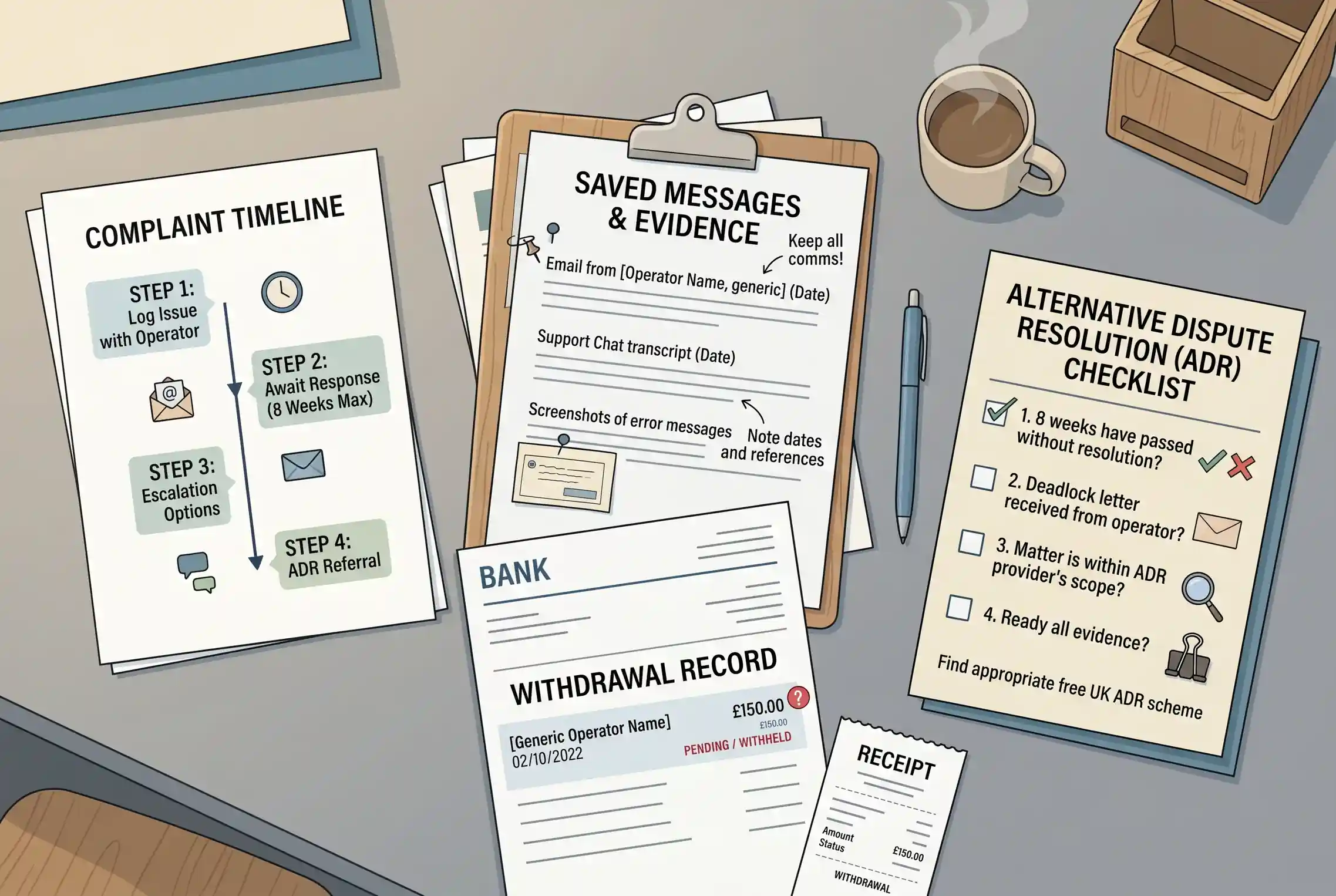
Withdrawal fees should also be visible before you deposit. If a site mentions a fee only after you request a withdrawal, ask where the fee appeared in the account information before you paid. If the answer is unclear, keep the messages and treat the matter as a possible complaint rather than arguing repeatedly through chat.
Red flags in bonus and withdrawal wording
- A promotion is described as free while the major restriction is hidden or hard to find.
- The site cannot clearly separate your deposit balance from bonus-linked funds.
- Withdrawal rules change depending on which support agent replies.
- A fee, deadline or game restriction appears only after the account is already funded.
- The business refuses to point to the exact term behind a delayed payment.
- The promotion pushes urgency, recovery of losses or continued gambling after a block.
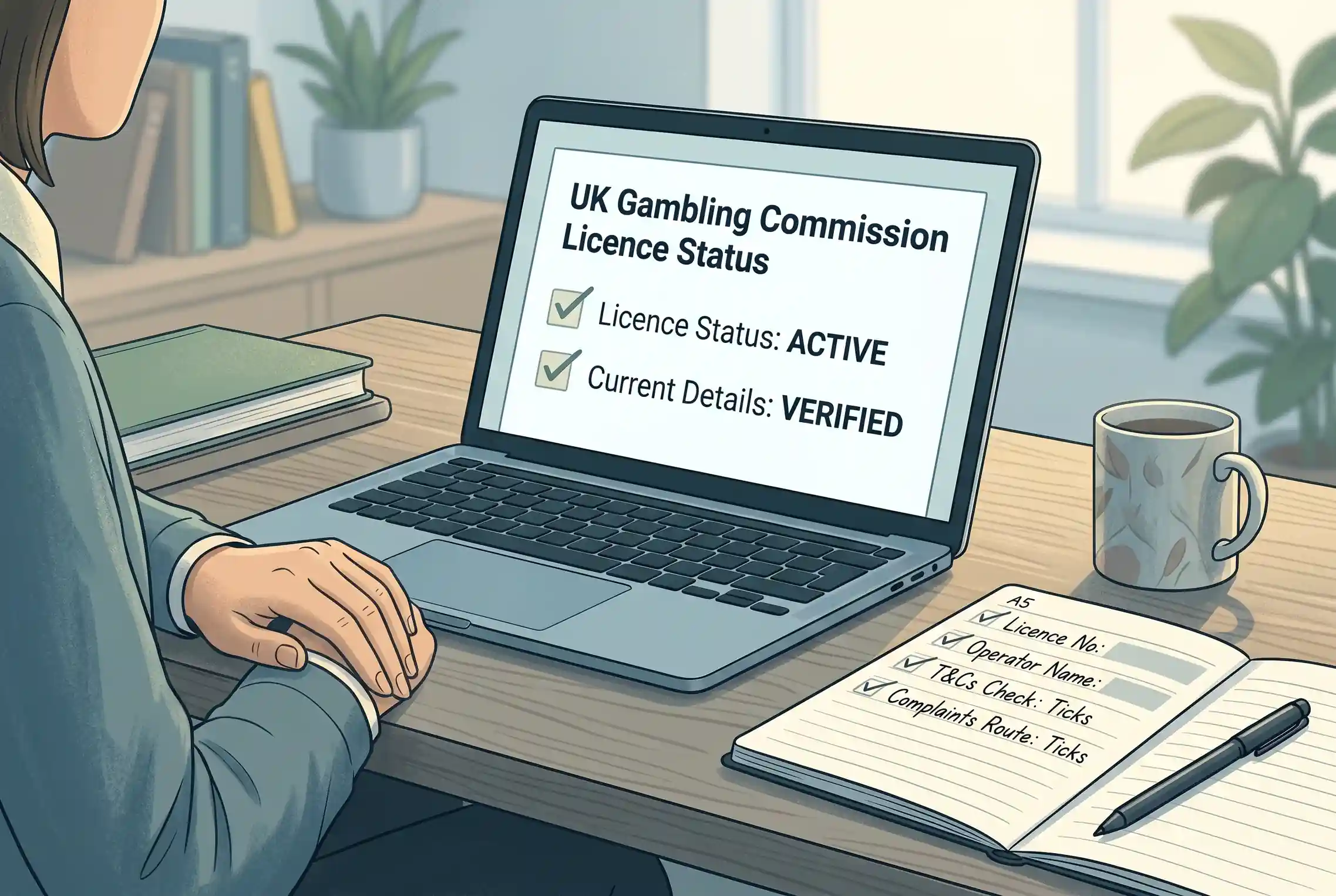
If the concern is mainly identity or financial checks, read the ID checks and withdrawals guide. If the concern is a payment route or a bank block, use the payments guide. If you already have withheld money or a formal disagreement, move to the complaints and disputes guide. Before trusting any set of terms, make sure the operator itself has been checked through the pre-deposit licence guide.
When a bonus is part of a bigger gambling problem
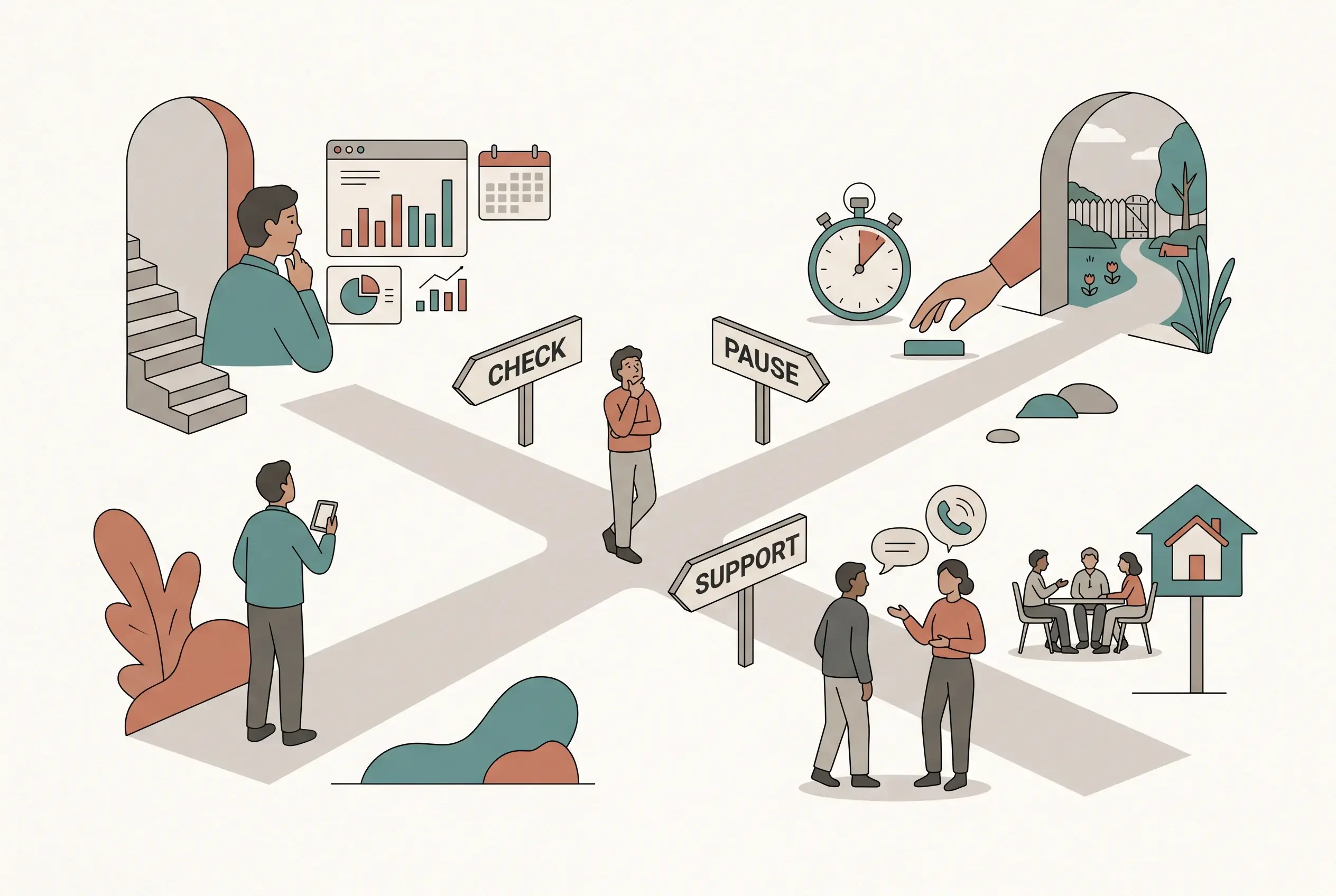
A bonus can turn a pause into more play, especially when someone is trying to recover money. If you are reading terms because you feel unable to stop, because a self-exclusion or block is in place, or because you are gambling under pressure, the safer next step is not a better promotion. GamCare’s National Gambling Helpline is 0808 8020 133 and is available 24 hours a day, 7 days a week.
Created by the "Casino not on Gamstop" editorial team.